
The device, and how it works (and why it takes so long)
It is treated with the Q-Switched Nd:YAG module of the Lumenis Stellar M22 (Lumenis, Israel) — the same chassis that houses the IPL and the ResurFX, but a different module, designed specifically to shatter pigment.
The laser does not “dissolve” ink. It fires extremely short pulses of energy that shatter the pigment particles trapped in the dermis. The fragments, now small enough, are carried away gradually by the patient’s own immune system over weeks.
From that come the two uncomfortable truths of the procedure. First: the real work is done by your body, not the machine — which is why sessions are spaced six to eight weeks apart, and rushing them speeds up nothing while raising the risk. Second: if the pigment does not fragment enough, or your lymphatic system does not clear it, the ink stays. No amount of power forces it.
The ink colour decides almost everything
This is the factor that most determines your result, and the one advertising most often omits:
- Black and dark blue: respond best. They absorb the energy well and usually lighten markedly.
- Red: responds reasonably well.
- Green and turquoise: notoriously stubborn. They consume the most sessions and most often leave residue.
- Yellow, white and pastels: the worst. They frequently do not clear completely, and white can even darken under the laser.
- Cosmetic inks (brow, lip and eyeliner micropigmentation): a separate case. They contain metallic oxides that can turn grey or black on the first pulse. They are never treated without a small test patch first.
How many sessions: the honest answer
Anyone who gives you a number over the phone is guessing. The real number depends on at least seven variables: ink colour and density, how deep the artist laid it, whether it is amateur (less ink, shallower: fewer sessions) or professional (more ink, deeper: more sessions), the tattoo’s age, its size, its location — anything far from the heart drains worse; ankles and hands are slowest — and your own phototype.
The range in the literature is wide and honest: 5 to 15 sessions or more, spaced 6–8 weeks apart. A large, professional, multicoloured tattoo can mean more than two years of treatment. If that does not match your expectation, it is better to know before the first session than after the fifth.
And it must be said plainly: some tattoos do not disappear completely. They lighten substantially, often enough to cover with new work, but a shadow or colour residue remains. The promise of skin as it was before the tattoo is not a medical promise.
Darker skin: less energy, more patience
In phototypes IV to VI the melanin in your own skin competes with the ink to absorb the laser’s energy. That means two things: settings need more care, and there is a real risk of hypopigmentation (a patch lighter than the surrounding skin, sometimes permanent) or of hyperpigmentation.
The correct strategy is conservative: lower energies, wider spacing, a small test patch before treating the whole tattoo, and strict photoprotection between sessions. Speed is traded for safety. On darker skin, that trade is always worth it.
Two questions before you decide
Do you want it removed, or covered? Many patients ask for complete removal when what they actually want is a new tattoo over the old one. That does not require full clearing: fewer sessions will do, and the saving is considerable. Say so at the consultation.
Is it ink, or is it a lesion? A pigmented lesion inside or beside a tattoo is assessed medically before anything is fired. A laser aimed at a mole that should not have been lasered is a serious problem. See moles and warts and skin cancer screening.
The session and the aftercare
Topical anaesthetic and cooling are applied. The sensation is usually described as rubber bands snapping against the skin; a small session lasts a few minutes. Immediately afterwards the area turns whitish, then red and swollen, and blisters or crusts may form.
Aftercare is simple and non-negotiable: do not burst blisters, keep the area clean and covered, no sun on treated skin, and wait the full interval before the next session. Rushing does not bring the result forward; it only raises the risk of scarring and permanent colour change.
What does it cost?
A session starts at approximately $5,000 MXN, depending on the area treated and how many sessions your response calls for. Approximate price — the definitive cost is set at your private consultation with Dr. Arístides Arellano.
Track record and credentials
Treatment is carried out at the Clínica Dermatológica y Cirugía Estética de Puebla, in operation since 1971.
Dr. Arístides Arellano is a plastic surgeon holding a specialty licence: he practises under a Mexican medical licence (D.G.P. 1125959) and a specialty licence in Plastic & Reconstructive Surgery (0002008), both issued by the Directorate General of Professions (DGP), which reissued his certificate of professional standing in 2025. His career began before Mexico’s present-day specialty-board system existed: he belongs to the founding generation of plastic surgery in Puebla, the second generation of a surgical tradition started in 1971 by Dr. Francisco Arellano Ocampo. Trust is verified, not promised: both licences are public and anyone can look them up in the DGP’s National Registry of Professionals.
Before-and-after photographs
Most patients want to see before-and-after photographs before deciding. Out of respect for each person’s privacy, Dr. Arístides Arellano shows real cases —always with documented consent— during your in-person consultation, where you can review results from patients with a starting point similar to yours. Results may vary from patient to patient.
Risks and expectations
Every medical treatment —topicals, peels and energy-based devices included— carries risk and requires a prior assessment. In darker skin (Fitzpatrick IV–VI, the most common phototypes in Mexico) a poorly indicated procedure can darken the patch instead of lightening it. Results may vary according to each patient, their phototype and their individual triggers.
Trust is verified, not promised. All 210 scanned documents —degree, licences, diplomas, publications and certificates, from 1977 to 2025— are open in Dr. Arístides Arellano’s credential archive, alongside an explanation of the difference between a specialty licence and a board certification.
Session plan and aftercare
- ConsultationColours, density, depth and phototype assessed. Test patch if cosmetic ink or very dark skin.
- Day 0Immediate whitening of the area, then redness and swelling.
- Days 1–10Possible blisters and crusts. Do not burst. Keep clean, covered and out of the sun.
- Weeks 2–8The immune system clears the fragmented pigment. This is where the real lightening happens.
- Week 6–8Next session. Bringing it forward speeds nothing and raises risk.
- Total5–15+ sessions. A large multicoloured tattoo can take more than two years.
Frequently asked questions
How many sessions does tattoo removal take?
Between 5 and 15 sessions, sometimes more, spaced 6 to 8 weeks apart. The number depends on ink colour, whether the tattoo is amateur or professional, its age, size and location, and your phototype. Nobody can give an exact figure without seeing the tattoo, and anyone who gives one over the phone is guessing.
Does the laser remove the tattoo completely?
Not always. The correct term is progressive lightening. Black and dark blue usually clear substantially; green and turquoise are stubborn; yellow, white and pastels frequently do not clear completely. In many cases a shadow or colour residue remains. The promise of skin as it was before the tattoo is not a medical promise.
Does laser tattoo removal hurt?
Topical anaesthetic and cooling are applied. Most people describe rubber bands snapping against the skin: uncomfortable but tolerable, and small sessions last only minutes. It is usually described as more uncomfortable than getting the tattoo, though far shorter.
Does it scar?
With correct settings and proper aftercare the risk is low. It rises sharply if blisters are burst, if intervals between sessions are shortened, or if excessive energy is used. On darker skin there is also a risk of hypopigmentation — a patch lighter than the surrounding skin, which can be permanent.
Can cosmetic brow or lip pigment be removed?
It can be attempted, but it is the highest-risk case. Cosmetic inks contain metallic oxides that can turn grey or black on the first pulse. That is why they are never treated without a small test patch first and without warning about paradoxical darkening.
Can I get a new tattoo over it afterwards?
Yes, and it is a common reason for treatment. If your goal is to cover the tattoo with new work, full clearing is not needed: considerably fewer sessions will do. Say so at the consultation, because it changes both the plan and the cost.
The equipment used
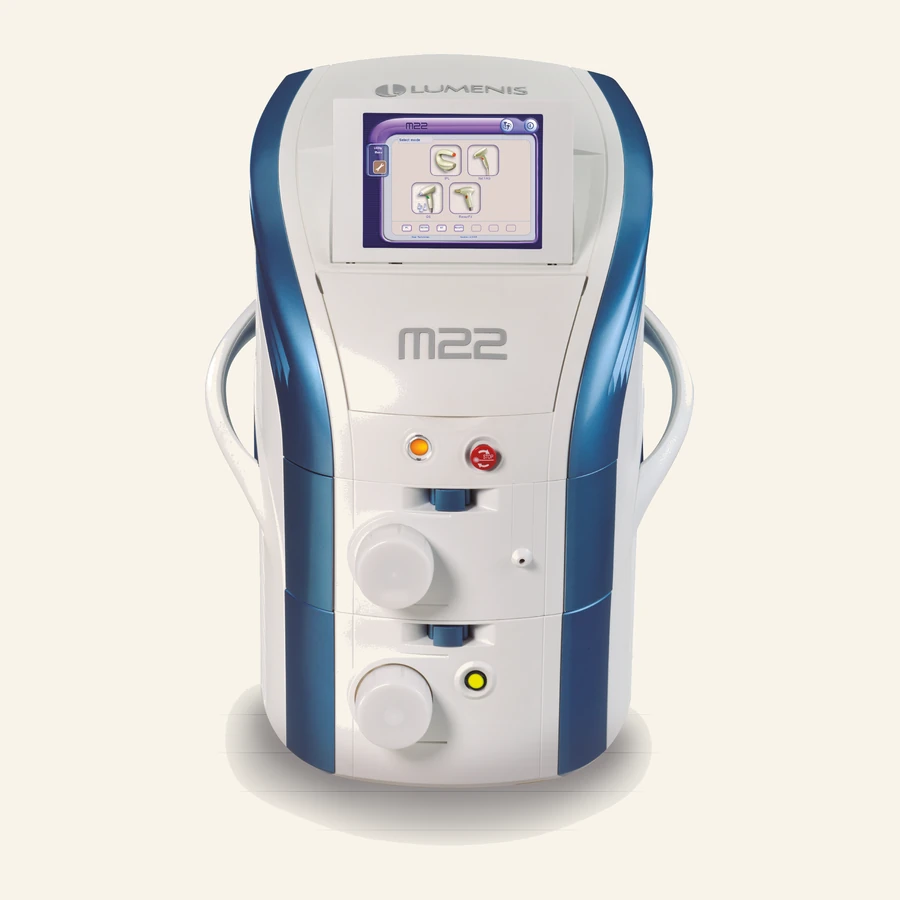
Every case is different. Discuss yours in a personal consultation.
Book a consultation on WhatsAppEvery figure published on this site is approximate and is not a quote. Any procedure or treatment first requires a private assessment consultation with Dr. Arístides Arellano —$800 MXN, charged separately— and it is at that consultation that the definitive cost of your case is determined.
Educational content; it does not replace a medical consultation. Results may vary from person to person.