
What is rhinoplasty?
Rhinoplasty is surgery that changes the shape, size or proportion of the nose and, in many cases, also corrects functional airway problems such as a deviated septum. When the goal combines both purposes —appearance and breathing— it is known as aesthetic and functional rhinoplasty, one of the most frequent reasons for consultation with Dr. Arístides Arellano.
It should not be confused with non-surgical nose reshaping using hyaluronic acid, which temporarily disguises certain contour irregularities without correcting bone or cartilage and without improving breathing. Rhinoplasty is the option when a definitive surgical result is sought or when there is a functional component to correct.
Techniques used by Dr. Arístides Arellano
Every nose —and every reason for consultation— is different, so the technique is defined during the assessment, based on the anatomy of the patient and whether this is a first surgery or a revision:
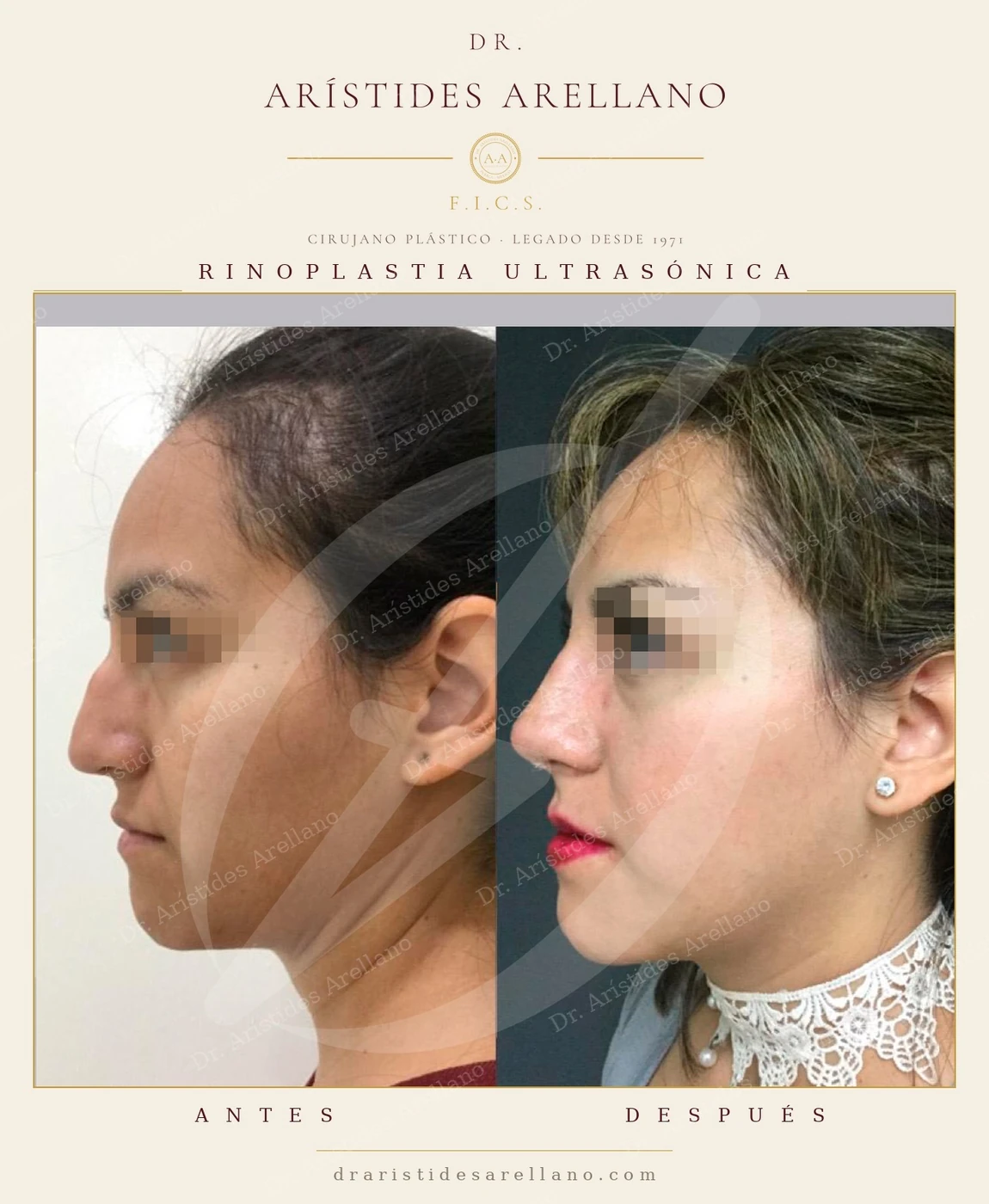
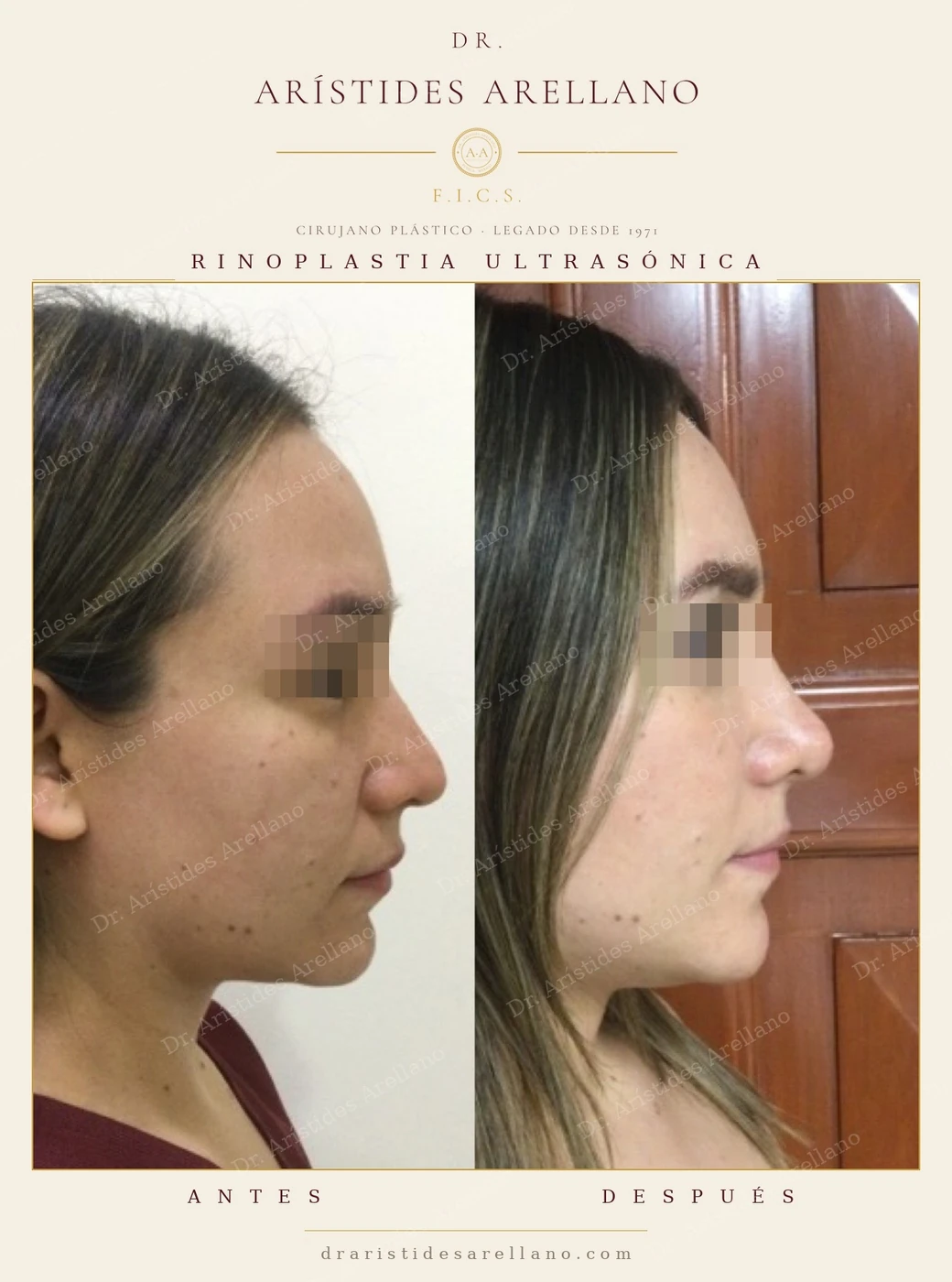
- Ultrasonic (piezoelectric) rhinoplasty: an ultrasound instrument sculpts the nasal bone with greater precision and less trauma to surrounding soft tissue than traditional rasps and osteotomes. Indication is defined by each patient anatomy.
- Preservation rhinoplasty: preserves the ligaments and support structures of the nasal dorsum instead of resecting them, favouring a more natural-looking result. Assessed case by case.
- Open rhinoplasty: a small columellar incision exposes the cartilage and bone directly. Preferred when a complex or higher-precision correction is required.
- Closed rhinoplasty: incisions are made inside the nose, with no external scar, which can mean less swelling and faster recovery in selected cases.
- Aesthetic and functional rhinoplasty: corrects shape and, in the same operation, the septal deviation or turbinate hypertrophy that impairs breathing.
- Secondary (revision) rhinoplasty: for patients already operated on —in Puebla or elsewhere— seeking to correct an unsatisfactory aesthetic or functional result. Technically more complex: less cartilage is usually available and scar tissue is present, so planning is more detailed.
- High-definition ("HD") rhinoplasty: not a single technique or standardised protocol, but an aesthetic goal of greater refinement at the tip and dorsum, pursued with meticulous suture and cartilage sculpting.
How is it performed?
Surgery is performed under general anaesthesia or sedation with local anaesthesia, depending on the case and the complexity of the correction, in a hospital operating room. It lasts approximately 1.5 to 3 hours depending on whether it is a primary or secondary rhinoplasty and whether functional correction is included. It is generally an outpatient or short-stay procedure (24 hours of observation); an external splint is placed and removed at around day 7.
All surgery carries risk and requires a prior medical assessment. Results may vary according to each patient, their anatomy and their individual healing process.
Who is a good candidate?
Candidates present one or more of the following and are in good general health:
- A hump or irregularity on the nasal dorsum.
- A drooping, bulbous or asymmetric nasal tip.
- A deviated septum with difficulty breathing.
- Congenital or post-traumatic nasal asymmetry.
- Dissatisfaction with the result of a previous rhinoplasty (candidate for revision).
- Complete facial development (generally from age 18, unless there is a specific functional indication).
- Realistic expectations, reviewed in detail at the consultation.
Recommended post-surgical treatments
To support a more comfortable recovery and reduce swelling and bruising, Dr. Arístides may recommend manual lymphatic drainage and hyperbaric chamber sessions. See the full guide: Post-surgical recovery and care.
Before and after
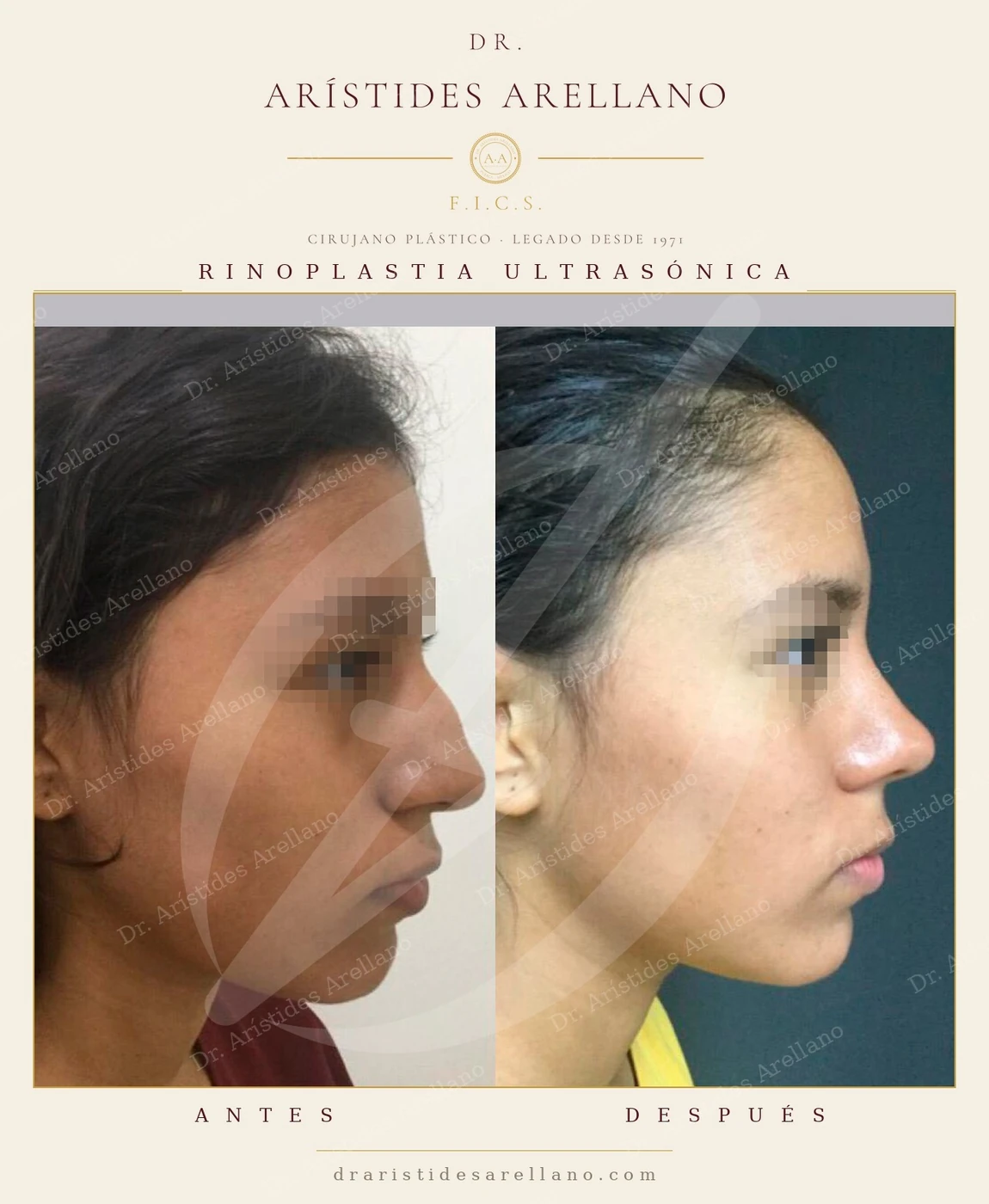
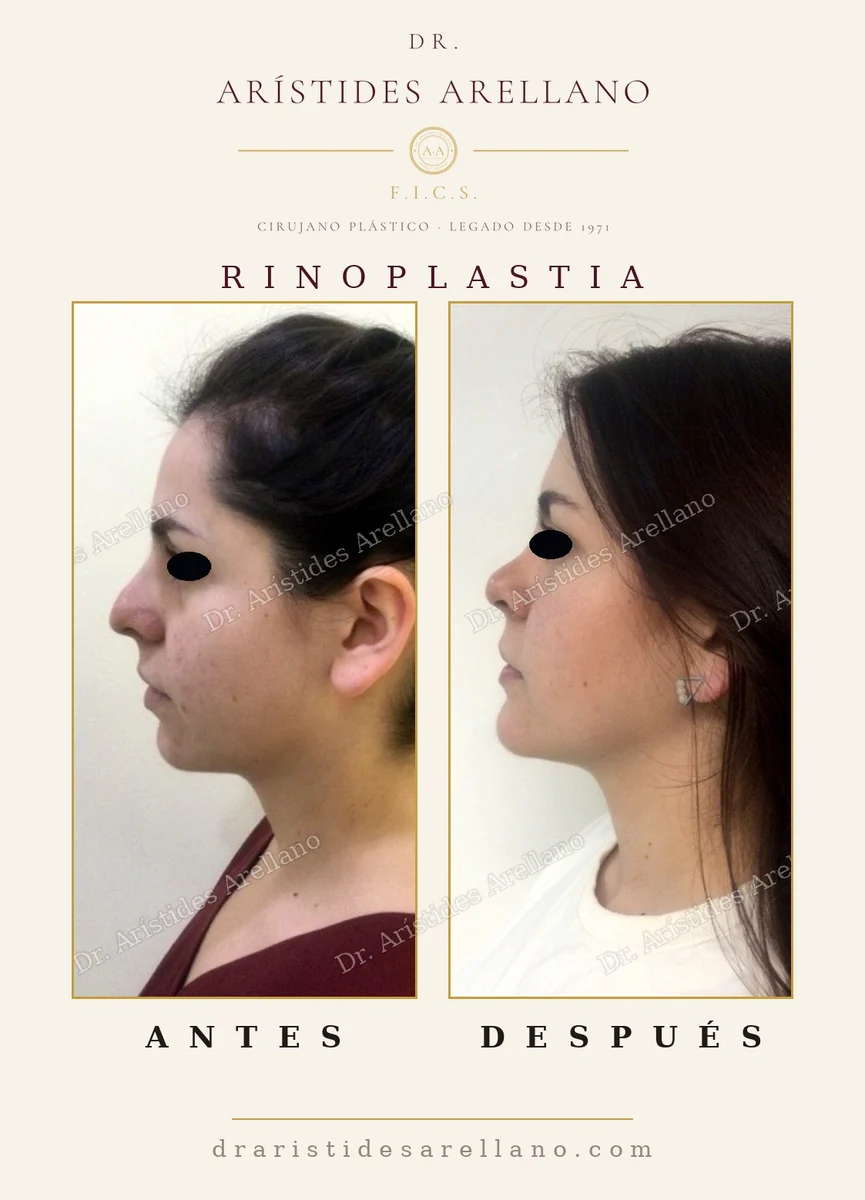
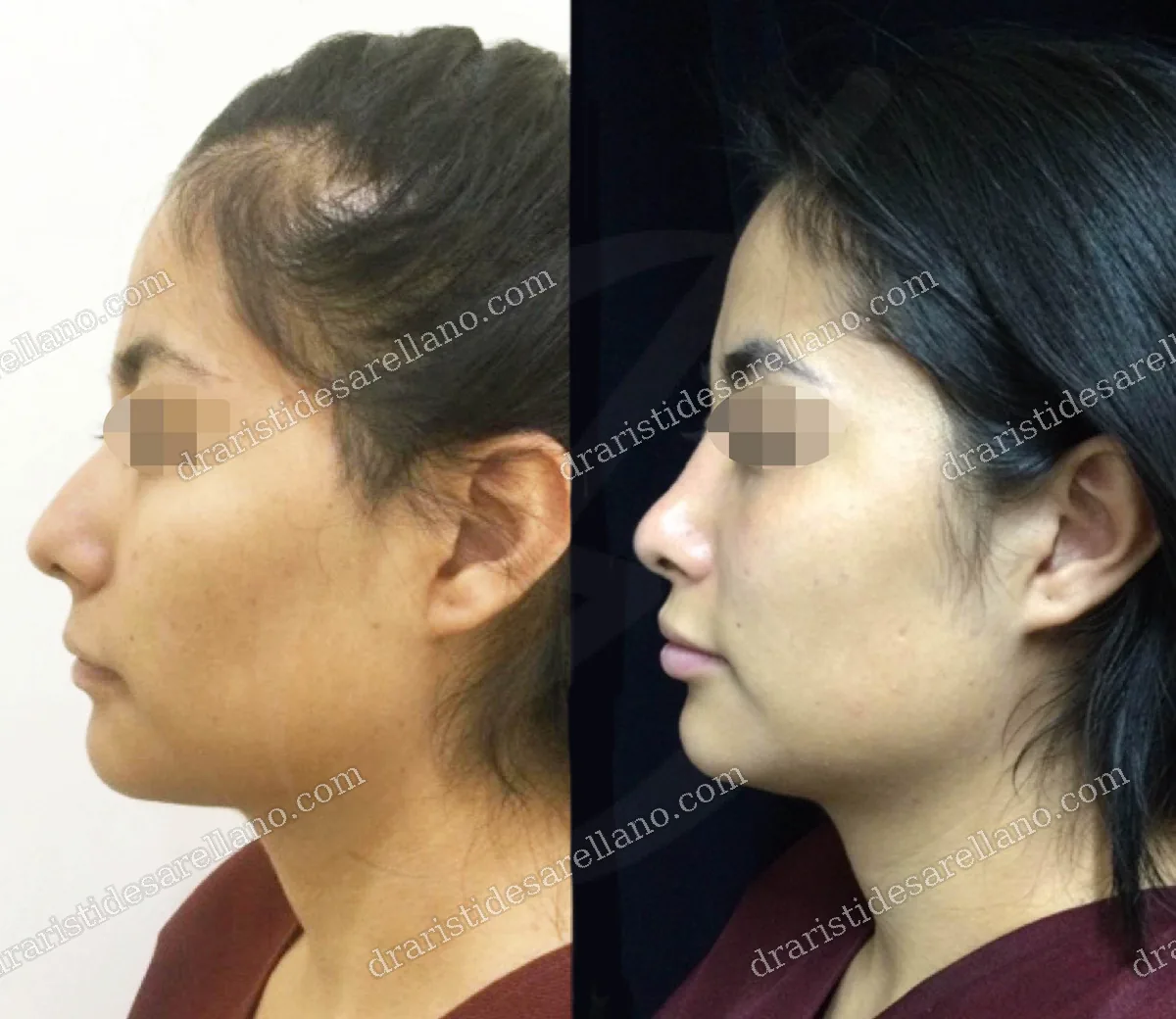
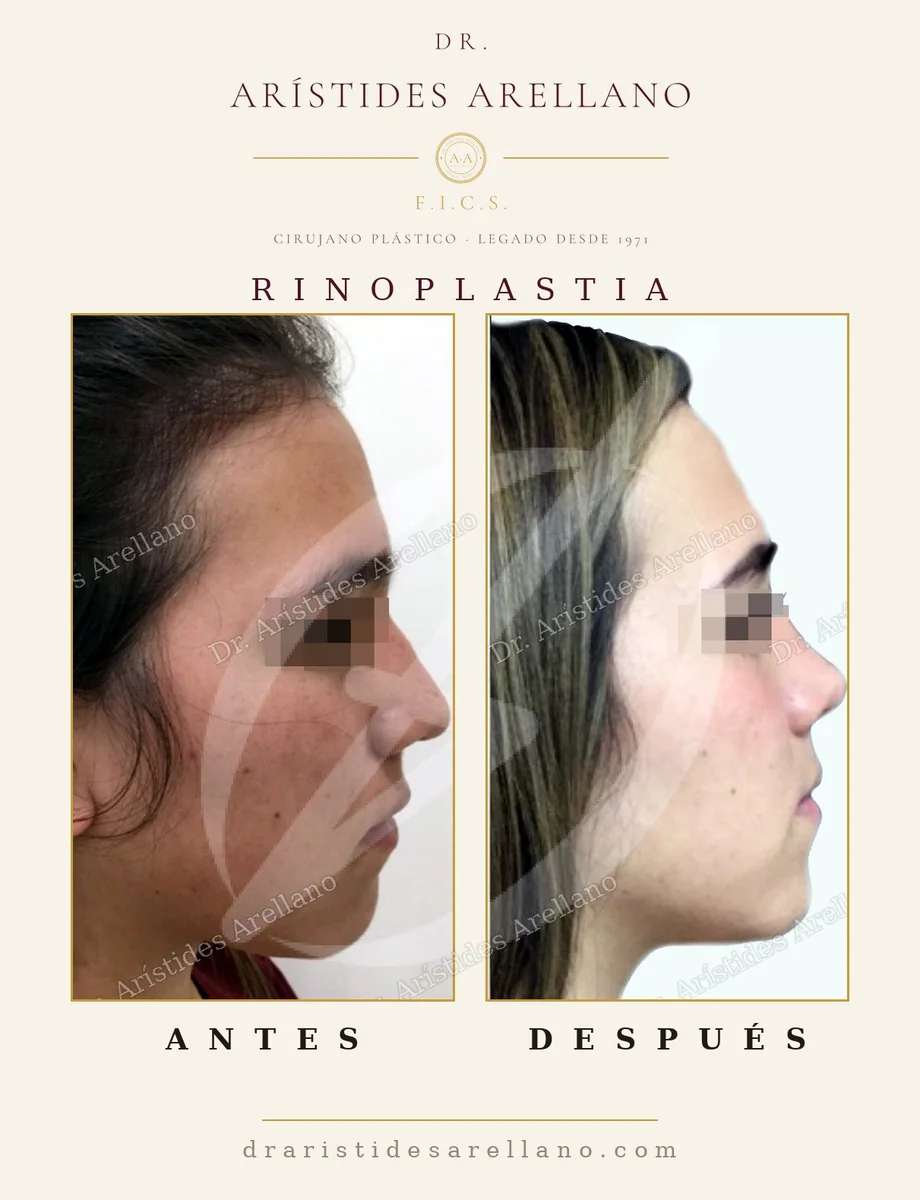
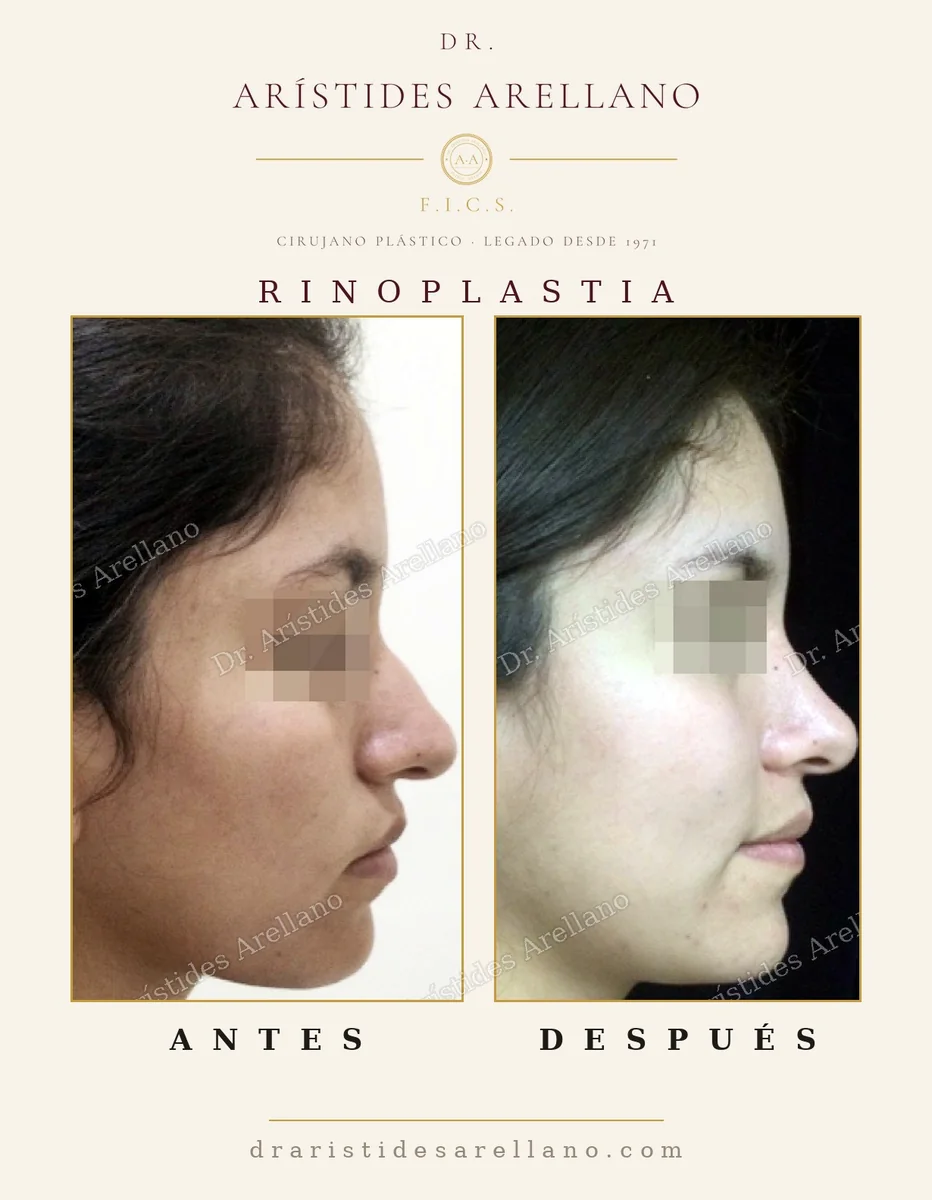
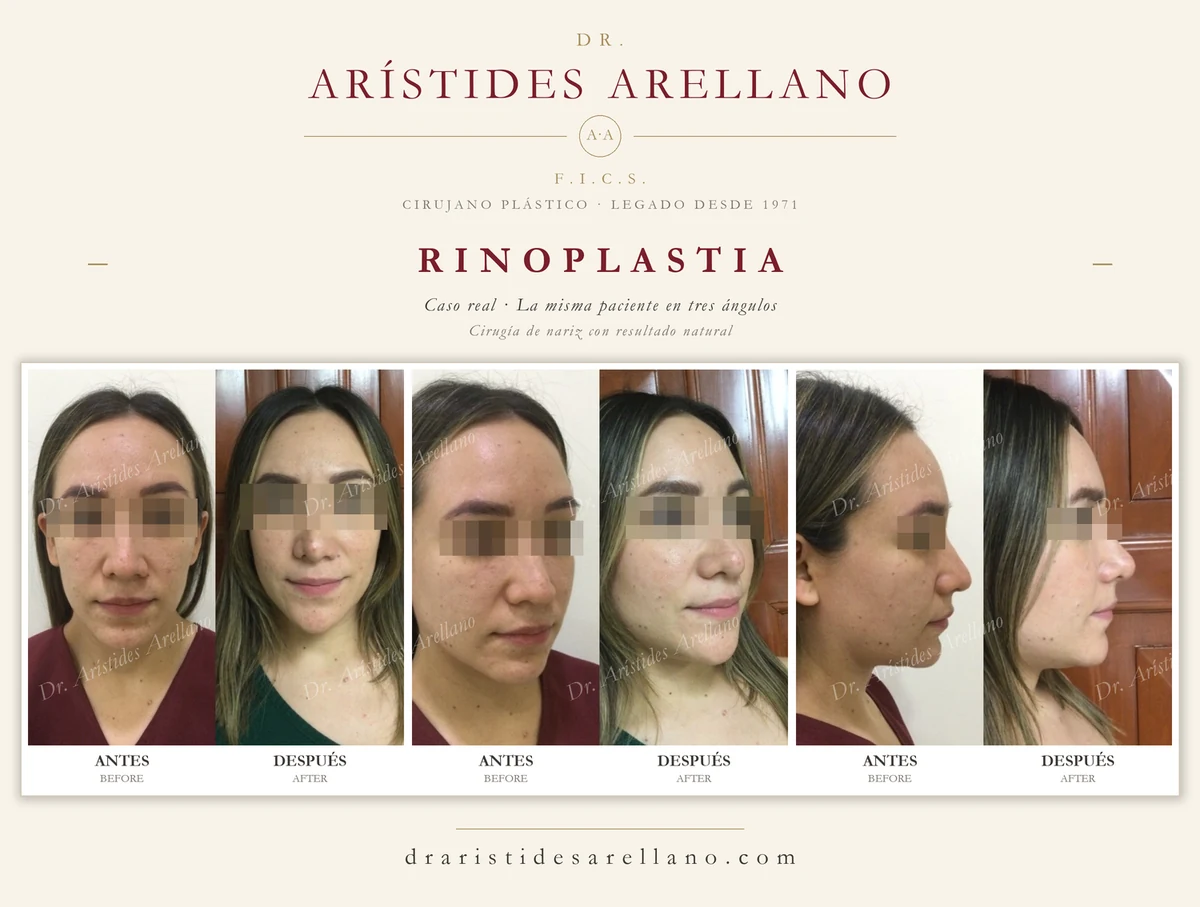
The cases below are real patients of Dr. Arístides Arellano, published with their written informed consent. Out of respect for each person’s privacy, only expressly authorised cases are published; at your in-person consultation Dr. Arístides can show you further cases with a starting point similar to yours. Results may vary from patient to patient.
Approximate price
Aesthetic —or aesthetic and functional— rhinoplasty has a reference cost of $45,000 MXN. Approximate price — the definitive cost is set at your private consultation with Dr. Arístides Arellano. The final cost depends on the complexity of the case, the technique used, whether it is a primary or revision surgery, and hospital and anaesthetist fees. Here is the full price breakdown: what is included, what is not, and what makes a case more expensive.
About Dr. Arístides Arellano
Dr. Arístides Arellano is a plastic surgeon holding a specialty licence: he practises under a Mexican medical licence (D.G.P. 1125959) and a specialty licence in Plastic & Reconstructive Surgery (0002008), both issued by the Directorate General of Professions (DGP), which reissued his certificate of professional standing in 2025. His career began before Mexico’s present-day specialty-board system existed: he belongs to the founding generation of plastic surgery in Puebla, the second generation of a surgical tradition started in 1971 by Dr. Francisco Arellano Ocampo. Trust is verified, not promised: both licences are public and anyone can look them up in the DGP’s National Registry of Professionals.
Related patient guide
To go deeper before or after your consultation: How long do rhinoplasty results last? The month-by-month timeline — part of the informational guide series reviewed by Dr. Arístides Arellano.
Dr. Arístides Arellano’s training in nasal surgery
The nose is not a line added late to his practice: it is one of the most constant threads of his training, from Buenos Aires in 1988 to rhinology in Mexico. He is a plastic surgeon holding a specialty licence (cédula de especialidad) issued by the DGP, and these are the specific documents behind this operation:
- Course: nasal surgery — Clínica Libertador, Cirugía Plástica · Buenos Aires
- International course: refinements in rhinoplasty — Sociedad Argentina de Cirugía Plástica, Capítulo de Cirugía Estética · 2–3 de septiembre de 1988
- Postgraduate course: nasal plastic surgery (30 h) — active participant — Hospital Parmenio Piñero · Buenos Aires, 21–26 de agosto de 1989
- 1st International Facial Plastic Surgery Course: the nose, its function and appearance — U. de Montréal / Canadian Academy of Facial Plastic Surgery / Soc. de Otorrinolaringología del Sureste · Puebla, 18–21 de octubre de 1990
- International course: Science and Art in Rhinology and Facial Surgery — Dr. M. Eugene Tardy Jr. · Guadalajara, noviembre de 1999
- Course — Mexican Rhinology Society — Asociación Médica de Jalisco / Colegio de Otorrinolaringología · Guadalajara, 1999
- Recognition — Dr. M. Eugene Tardy Jr. (AAFPRS) — Facial Plastic and Reconstructive Surgery · 1999 Dr. Tardy is one of the international reference figures in rhinoplasty.
Trust is verified, not promised. All 210 scanned documents —degree, licences, diplomas, publications and certificates, from 1977 to 2025— are open in Dr. Arístides Arellano’s credential archive, alongside an explanation of the difference between a specialty licence and a board certification.
Dr. Arístides explains it
Informational video by Dr. Arístides Arellano. Every case is different: the details of your procedure are defined at your consultation.
Recovery · step by step
- Days 1–3Relative rest, swelling and nasal congestion; discomfort managed with prescribed analgesia.
- Around day 7Nasal splint removal and, where applicable, external sutures.
- Weeks 2–3Visible swelling and periorbital bruising subside considerably; social activity can resume.
- Weeks 4–6Exercise and higher-effort activity are gradually authorised, as medically advised.
- Up to 12 monthsThe final result —especially at the tip— continues to refine gradually.
Risks and contraindications
Like all surgery, rhinoplasty carries specific risks that are worth understanding before deciding. These are the ones Dr. Arístides reviews with you, one by one, at your consultation:
- Nosebleed (epistaxis): some light bleeding is expected in the first 48 hours; heavy or persistent bleeding requires immediate attention.
- Infection: uncommon in the nose because of its rich blood supply, but possible; increasing pain, redness or fever are treated promptly.
- Dorsal irregularities or asymmetry: may become visible as swelling subsides and, in some cases, require a touch-up.
- Persistent breathing obstruction: the operation aims to preserve or improve function, but in some cases breathing does not improve, or worsens, and requires revision.
- Septal perforation: infrequent; it can cause crusting or a whistling sound, and may need a later repair.
- Sensory changes: temporary numbness of the nasal tip and upper lip, usually resolving over weeks to months.
- A result different from the one planned: between bone, cartilage and each skin’s own healing, the final outcome can differ from expectations; revision rhinoplasty is only considered after 12 months, once the result is definitive.
- Anesthetic risks: inherent to any procedure under general anesthesia or sedation; they are assessed through your medical history and pre-operative tests.
Rhinoplasty is postponed or reconsidered in any of these situations:
- Uncontrolled chronic disease (hypertension, diabetes) or untreated clotting disorders.
- Active smoking: tobacco and vaping must be stopped for weeks before and after surgery because they compromise circulation and healing.
- Incomplete nasal development: in very young patients, surgery waits until the nose has finished growing.
- Active infection in the area, or a significant respiratory illness around the day of surgery.
- Expectations the anatomy cannot deliver: part of the consultation is defining a realistic goal together.
Frequently asked questions
How much does rhinoplasty cost in Puebla?
The reference price for aesthetic —or aesthetic and functional— rhinoplasty with Dr. Arístides Arellano is approximately $45,000 MXN. The exact amount is confirmed at the in-person consultation, as it varies with whether it is primary or revision surgery and with the complexity of the correction.
What is ultrasonic rhinoplasty?
It is a technique that uses ultrasonic (piezoelectric) instruments to reshape the nasal bone with greater precision and less soft-tissue trauma than traditional manual tools. Dr. Arístides Arellano offers it; it starts from approximately $50,000 MXN and its indication is confirmed at consultation. <a href="/en/rhinoplasty-cost-puebla/">Full price breakdown</a>.
What is preservation rhinoplasty?
It is a technique that preserves the ligaments and support structures of the nasal dorsum rather than resecting them, aiming for a more natural-looking result. Its indication is assessed case by case.
What is the difference between rhinoplasty and non-surgical nose reshaping?
Rhinoplasty is surgery that permanently modifies bone and cartilage and can also correct breathing function. Non-surgical reshaping uses hyaluronic acid for a temporary result that disguises certain irregularities without correcting the internal structure of the nose.
What is revision rhinoplasty and when is it recommended?
It is a corrective rhinoplasty for patients already operated on —in Puebla or elsewhere— who were not satisfied with the aesthetic or functional result. It requires more detailed surgical planning because less cartilage is usually available and scar tissue is present.
Is rhinoplasty dangerous?
All surgery carries risk and requires prior medical assessment. Performed by a licensed surgeon with a specialty licence, in a hospital operating room and with proper post-operative follow-up, it is among the most widely performed plastic surgery procedures worldwide. Individual risk may vary, so prior assessment is essential.
How long does rhinoplasty take?
Surgery takes approximately 1.5 to 3 hours. As for recovery: visible swelling improves substantially within 2 to 3 weeks, though the definitive tip result can take up to 12 months to fully refine. Results may vary.
Before and after
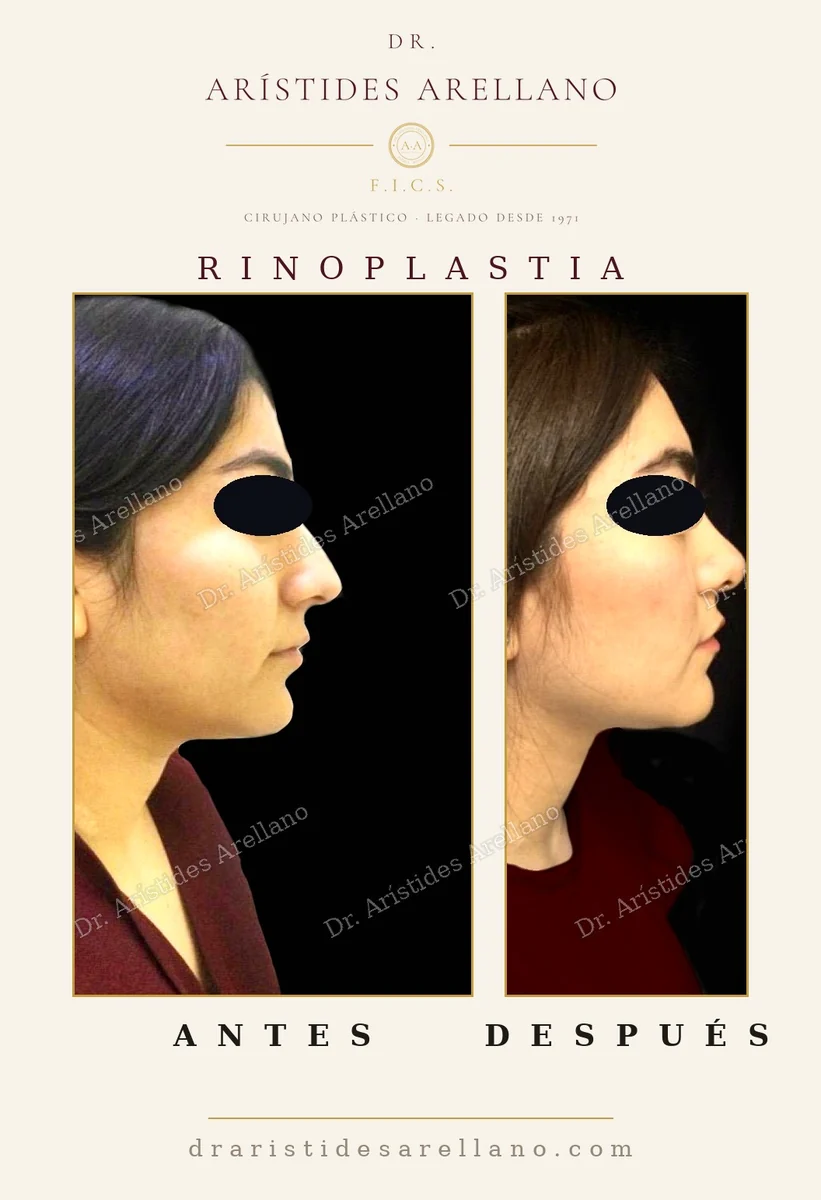
How much does rhinoplasty cost? Here it starts at approximately MX$45,000, including theatre, pre-operative laboratory work and post-surgical recovery. The figure changes if it is primary or secondary — reoperating an already-operated nose is harder and costs more — and if the septum must also be corrected so you breathe better. The definitive cost of each case is set at the private assessment consultation. All surgery carries risks and requires a prior medical assessment; results vary from person to person.
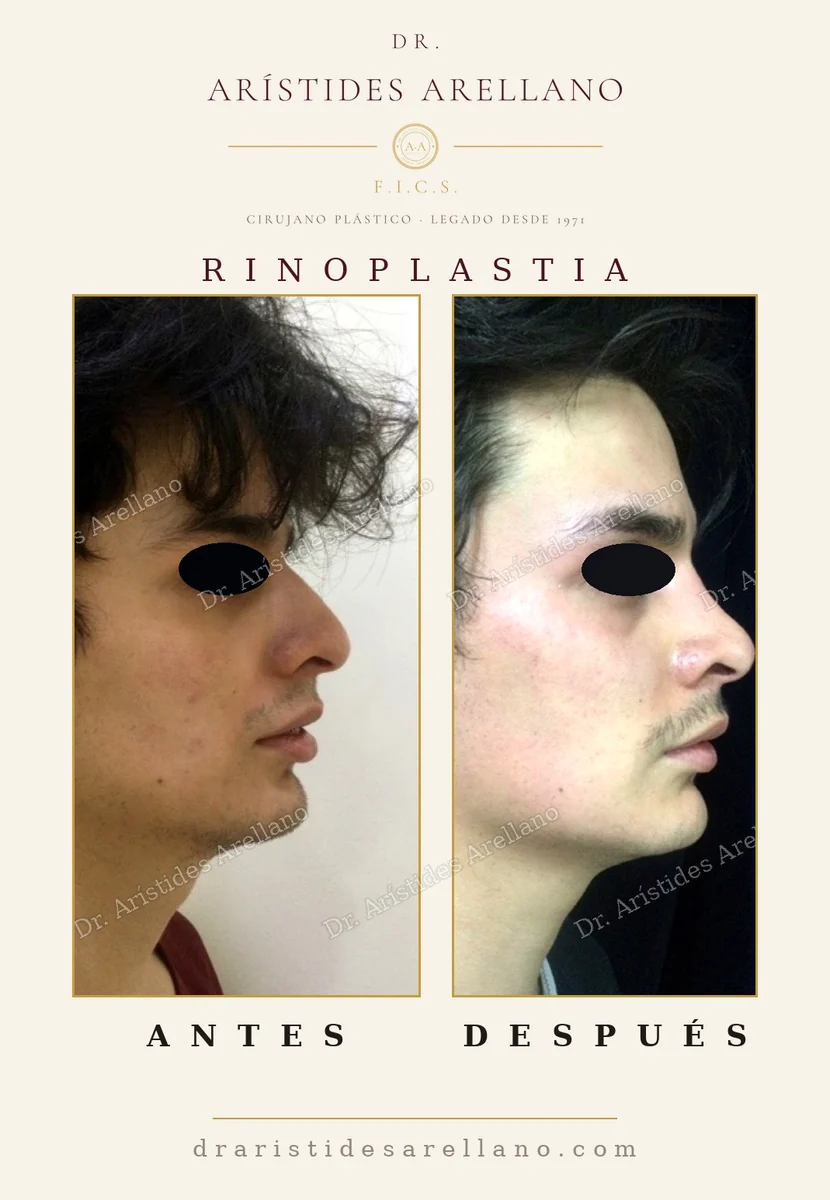
What is ultrasonic rhinoplasty? It reshapes the nasal bone with an ultrasonic scalpel instead of chisel and mallet. It cuts bone without damaging the surrounding mucosa and vessels, so bruising and swelling in the first weeks are less and the dorsum comes out smoother. It does not change the final result, and it does not suit every nose: what changes is the recovery. All surgery carries risks and requires a prior medical assessment; results vary from person to person.
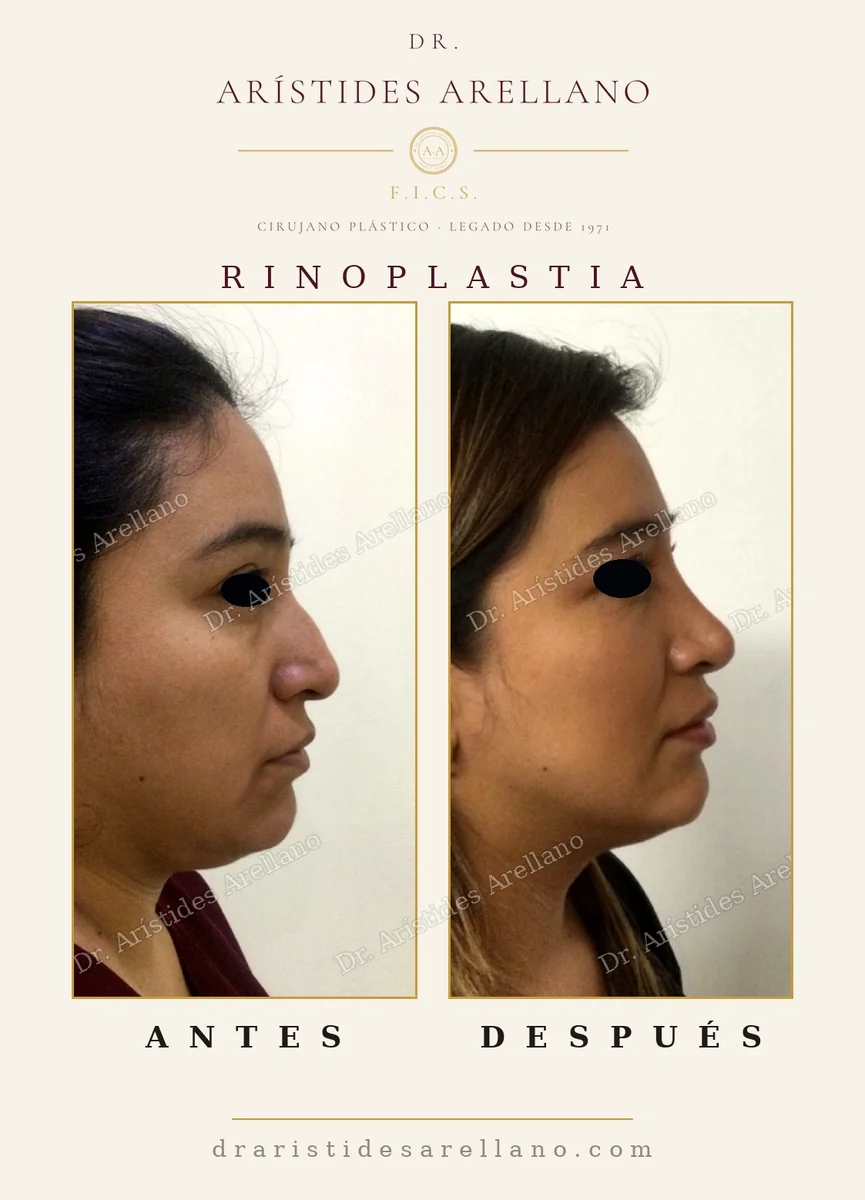
When is the final result visible? The splint comes off after a week and the change already shows, but that nose is not the definitive one. Eighty per cent of the swelling settles within three months; the tip is last and can take twelve to eighteen months, longer in thick skin. Judging a rhinoplasty at one month is judging swelling, not surgery. All surgery carries risks and requires a prior medical assessment; results vary from person to person.
Photographs of real patients, published with their written informed consent. Results may vary from person to person; these images are not a promise of outcome.
Every case is different. Discuss yours in a personal consultation.
Book a consultation on WhatsAppEvery figure published on this site is approximate and is not a quote. Any procedure or treatment first requires a private assessment consultation with Dr. Arístides Arellano —$800 MXN, charged separately— and it is at that consultation that the definitive cost of your case is determined.
Educational content; it does not replace a medical consultation. Results may vary from person to person.