What can a medical laser treat?
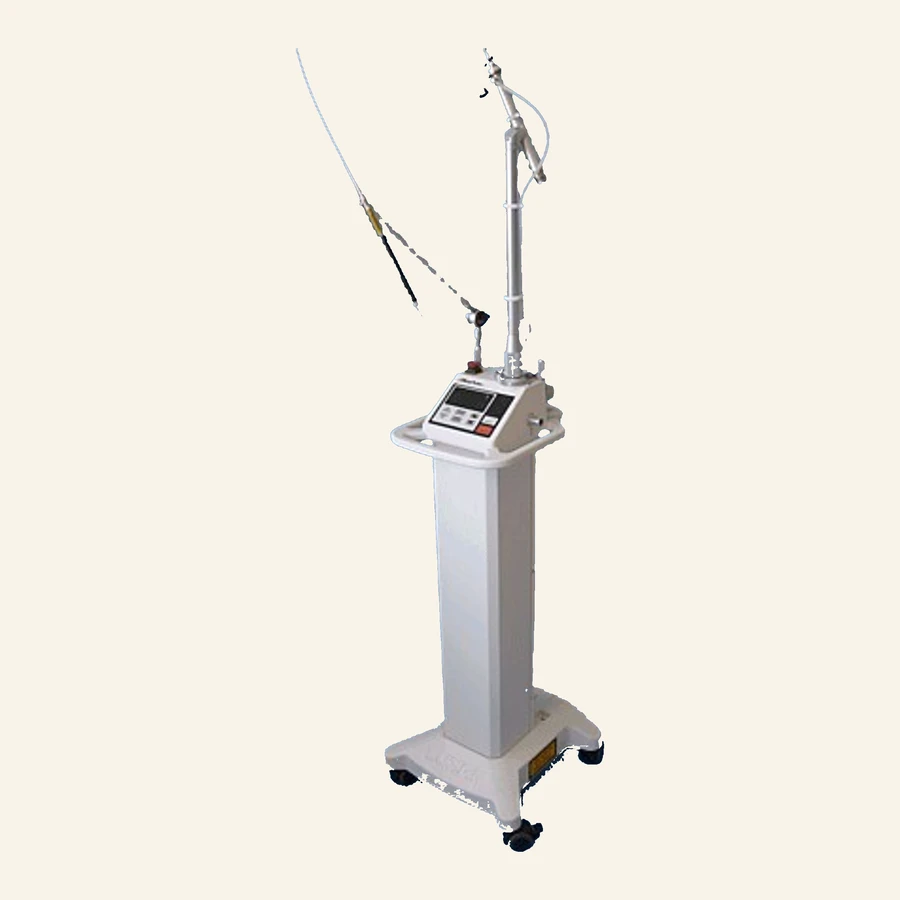
The word “laser” groups technologies that resemble each other no more than a scalpel resembles a syringe. What they share is the principle: a wavelength that seeks a specific target — the pigment in a hair, the melanin of a spot, the haemoglobin in a dilated vessel, the water in tissue — and deposits energy there without surgery. From that principle come the families of indications treated at this clinic:
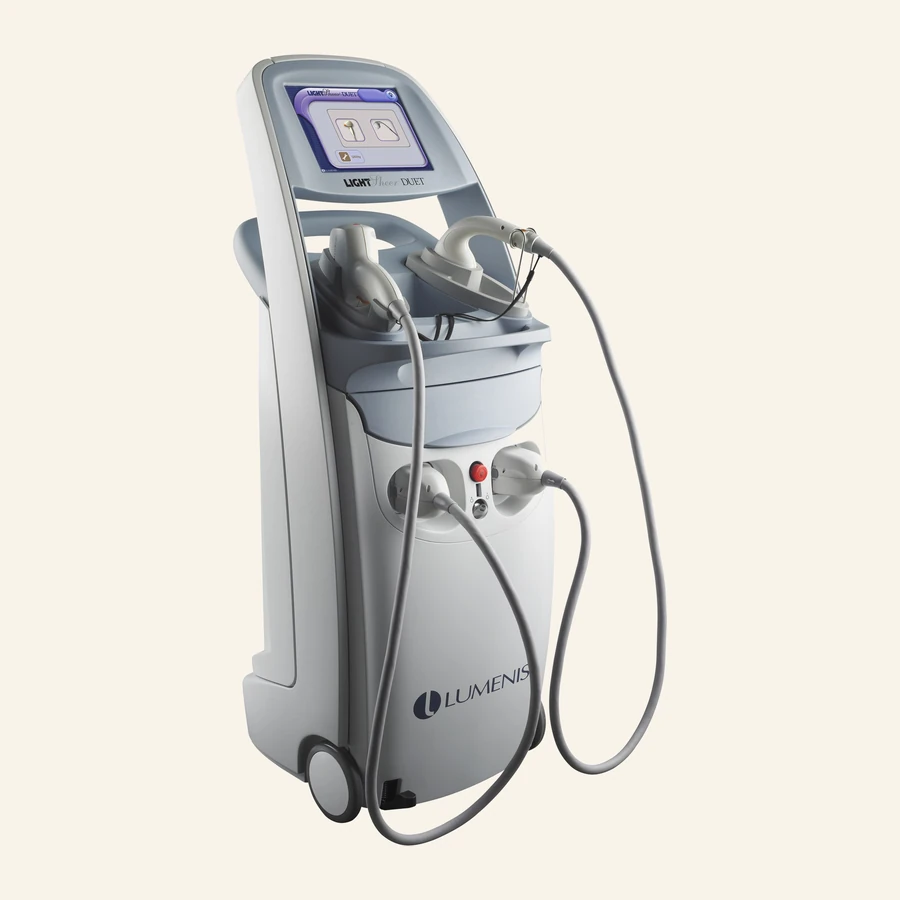
- Permanent hair removal: the follicle absorbs the light through its pigment; priced by zone, in 6-session packages.
- Vascular lesions: spider veins and fine leg veins, and facial vessels.
- Pigment: spots and pigmentation, and tattoo removal with Q-switched technology.
- Surface and scars: resurfacing, acne scars and stretch marks.
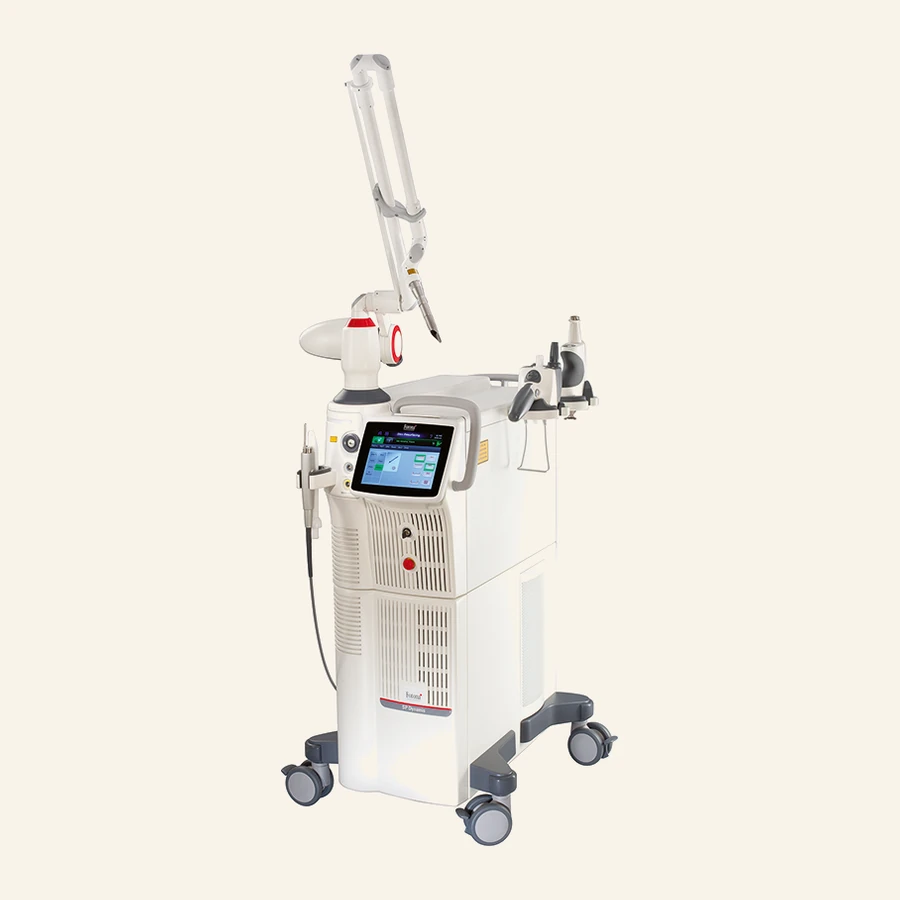
- Intimate health: the Fotona intimate block — nine indications, from mild incontinence to atrophy.
- Nails and skin: onychomycosis and other dermatologic indications of the clinic’s service.
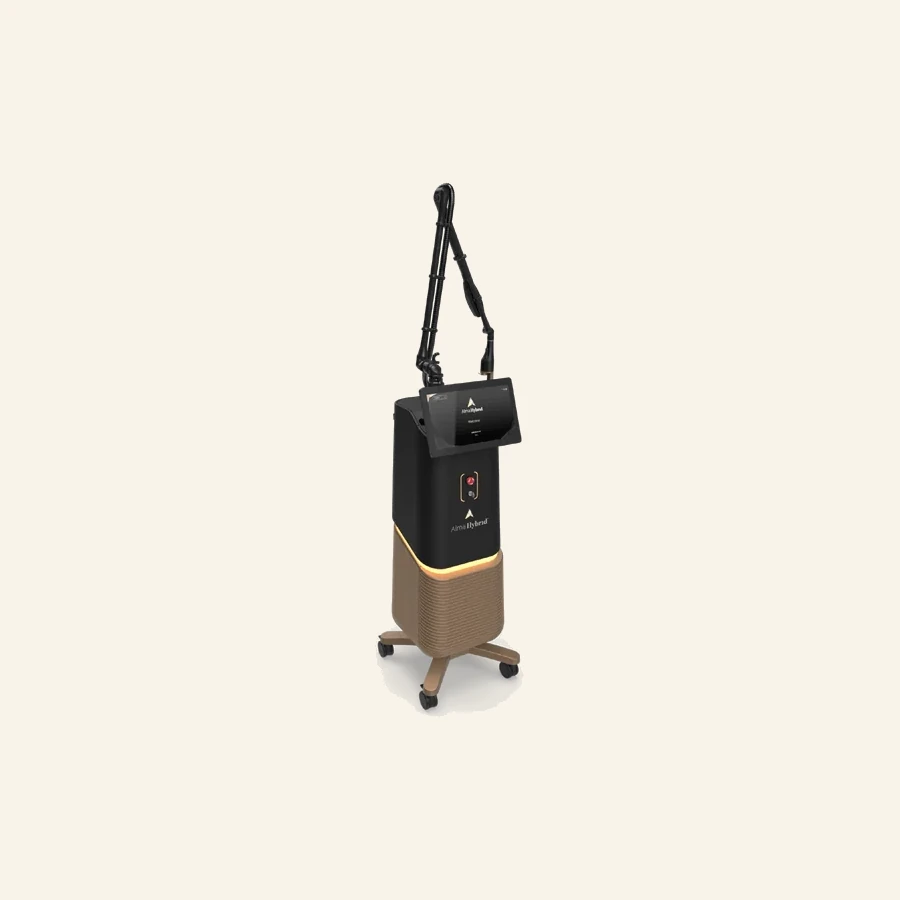
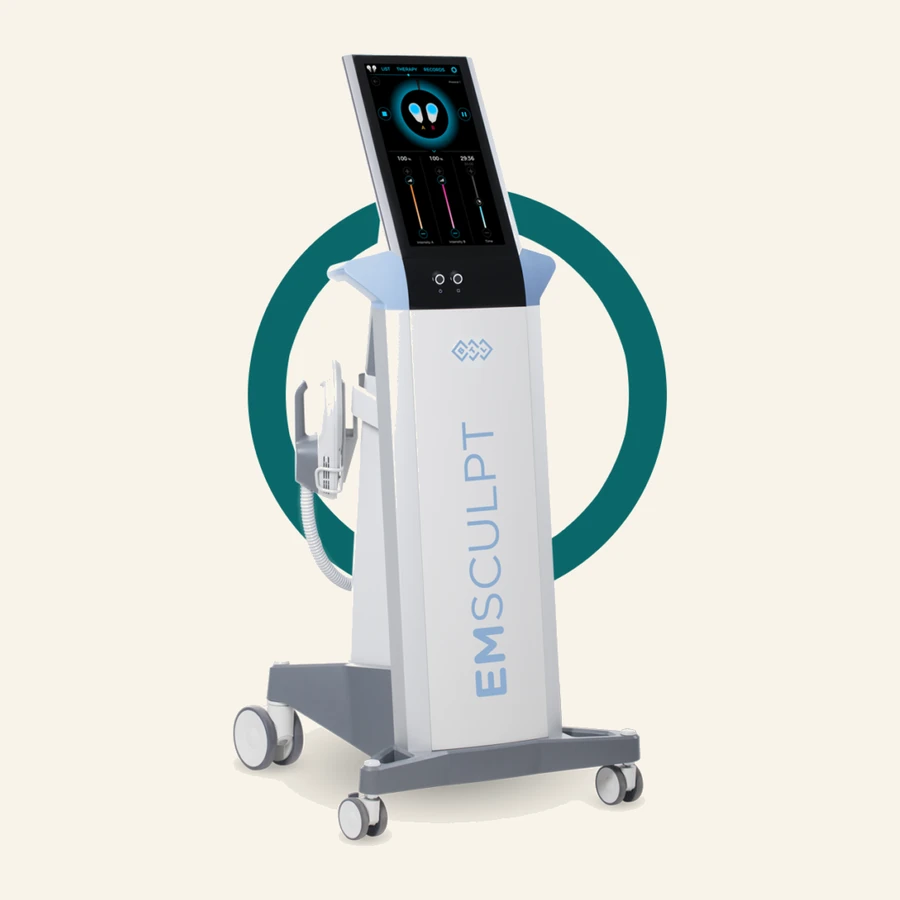
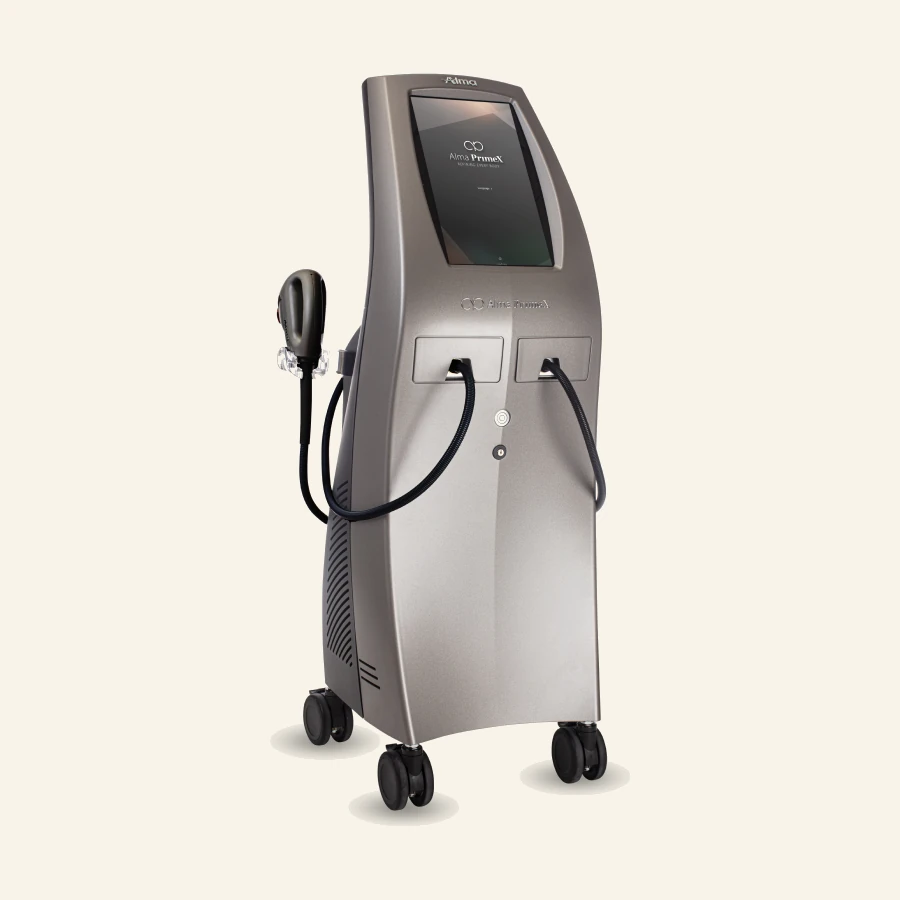
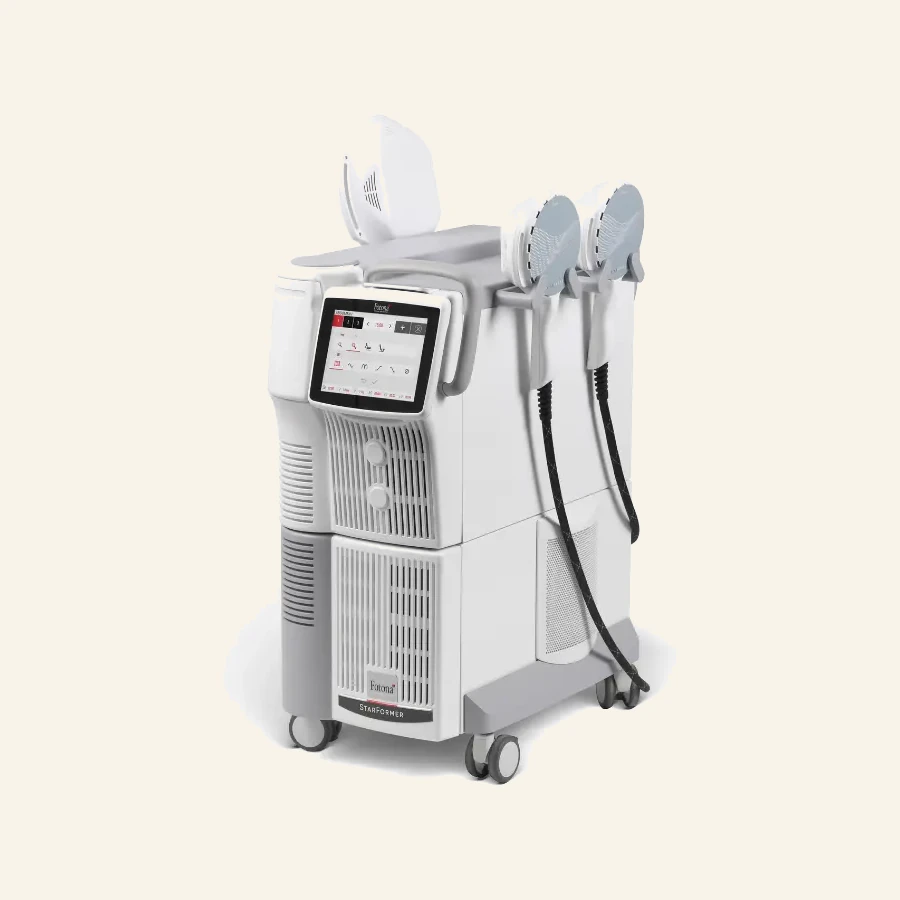
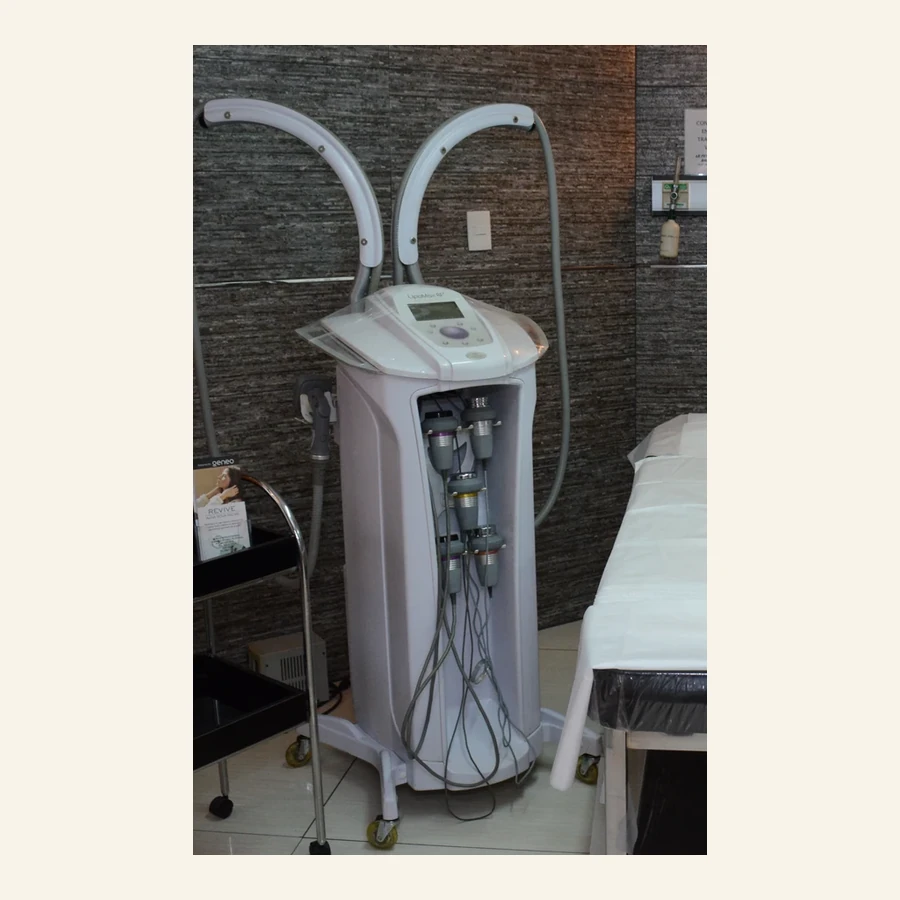
- Non-surgical body contouring: ultrasound, radiofrequency and muscle stimulation — Emsculpt NEO, Alma PrimeX, StarFormer.
What a laser does not do
A laser deposits energy; it does not remove excess skin or repair a separated muscle. When the assessment finds the problem is structural — skin left over after pregnancy or major weight loss, an open muscle wall — the honest answer is surgical, and that surgery is also done in this house. The advantage of being assessed where both options exist is exactly that: nobody recommends the tool they happen to own; they recommend what your case asks for.
The reverse rule applies too: some problems do not warrant an operating theatre, and offering surgery where three sessions of a well-indicated device suffice would be overtreatment. The reasoning is spelled out on each procedure page.
Why every device here is named, with maker and model
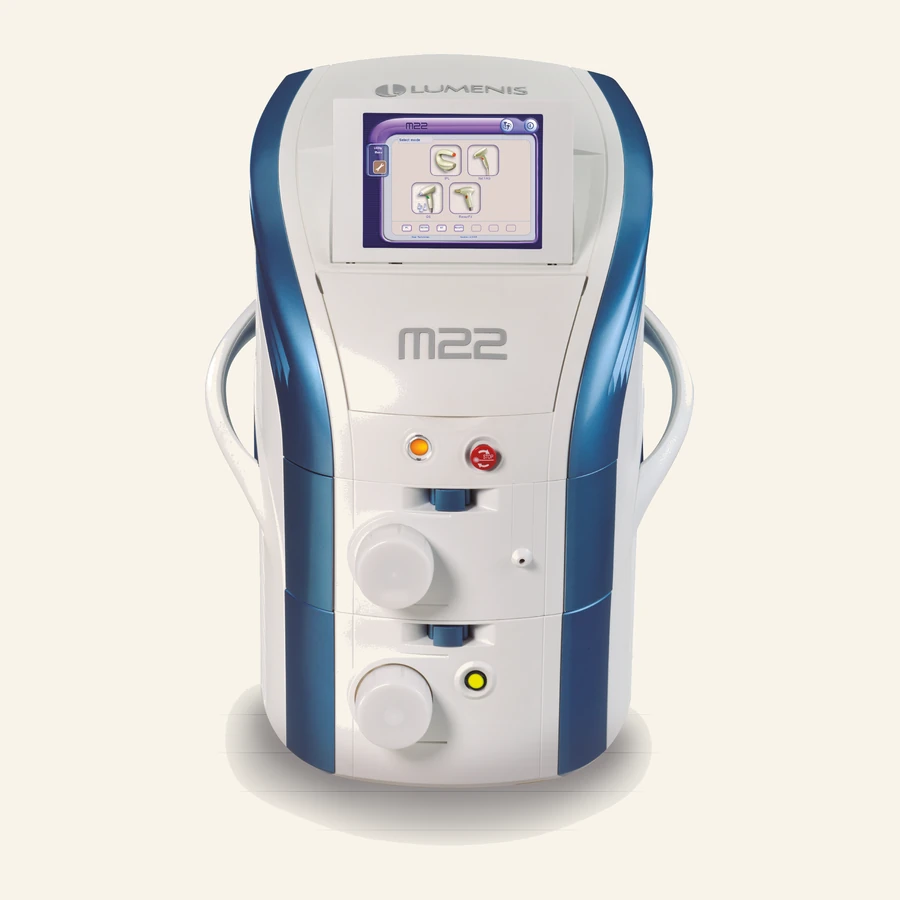
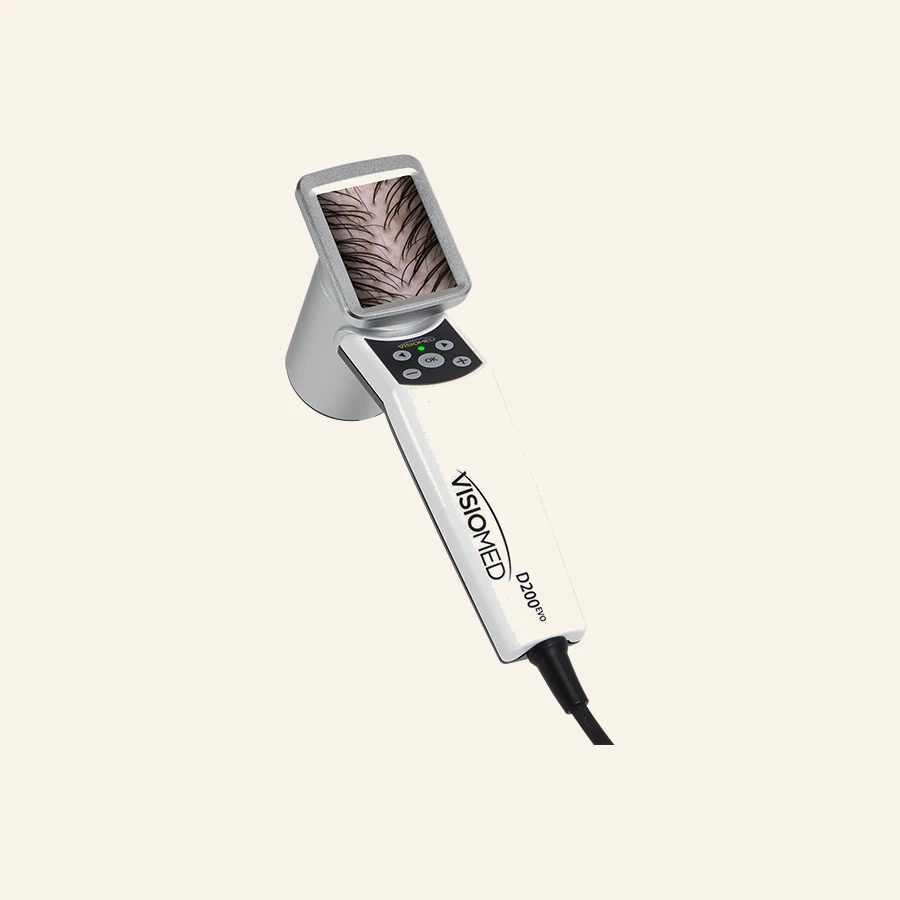
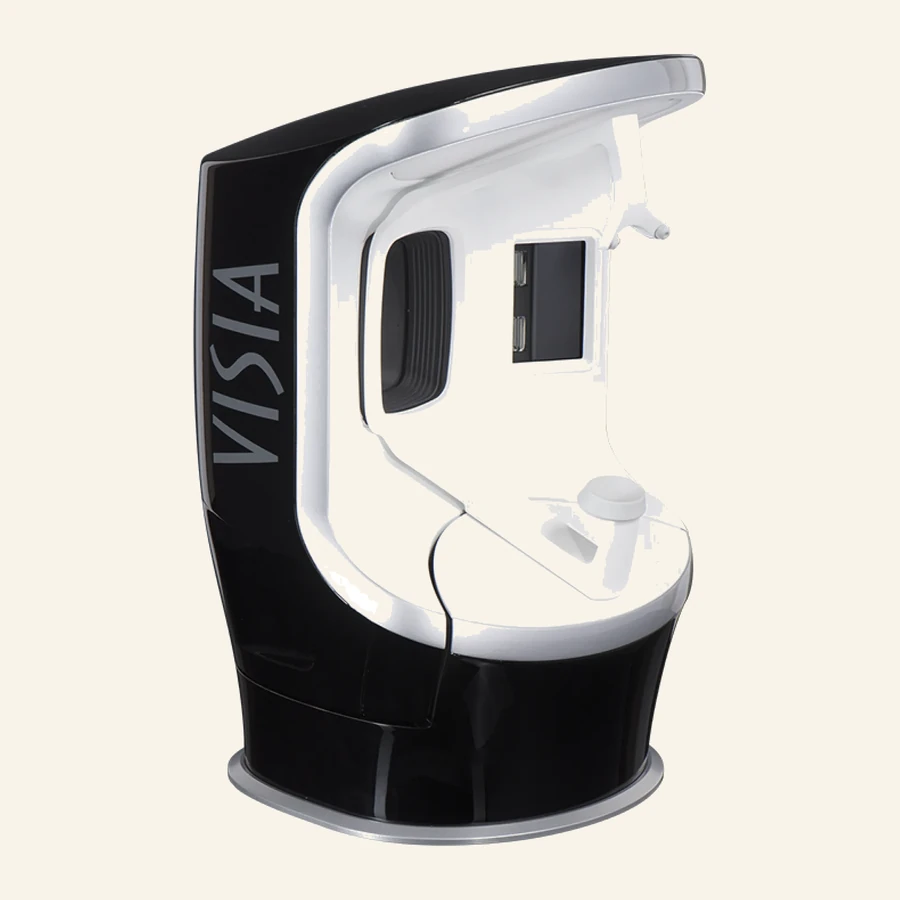
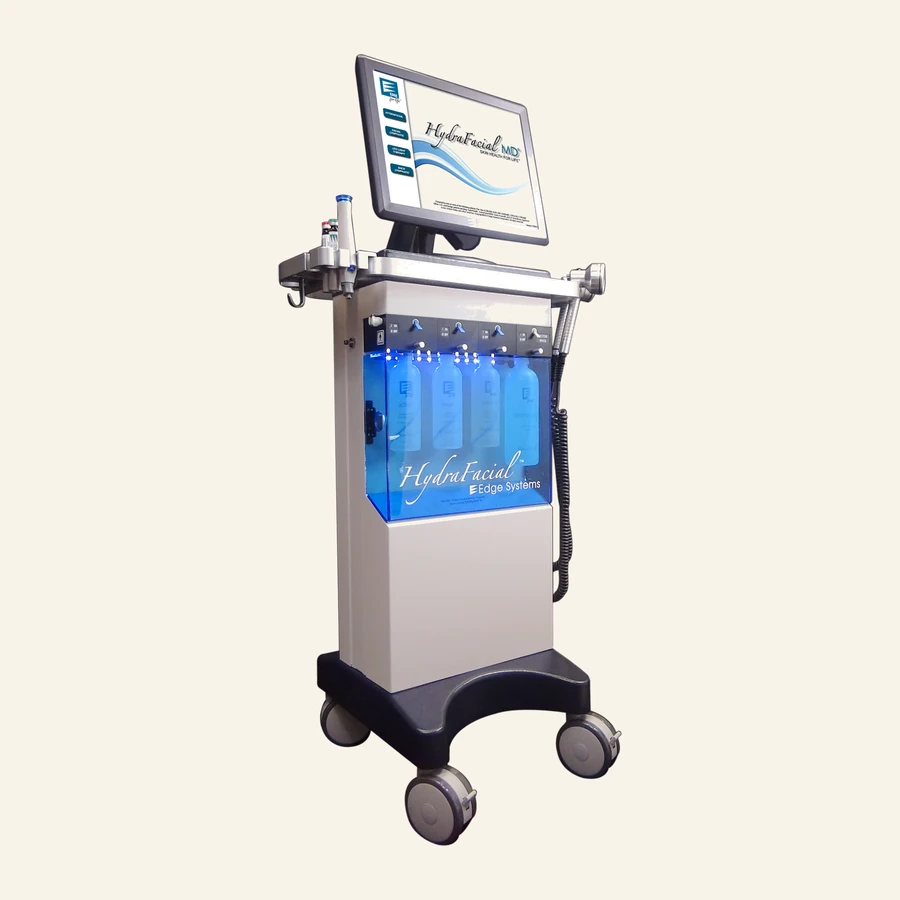
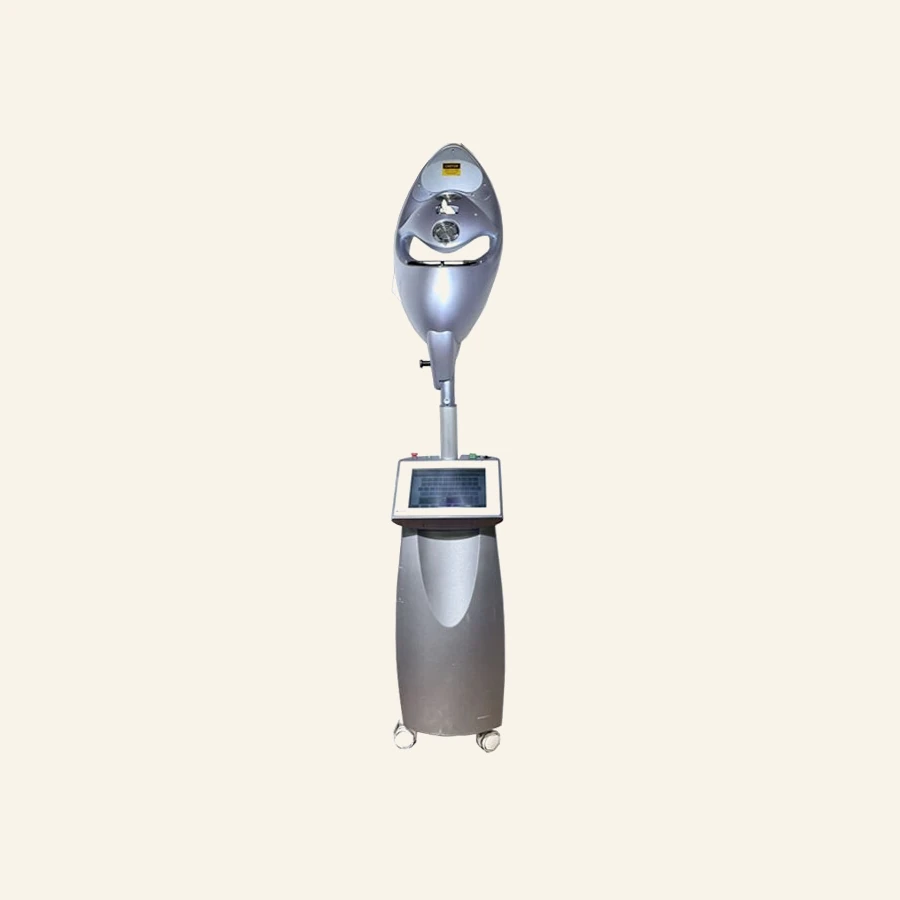
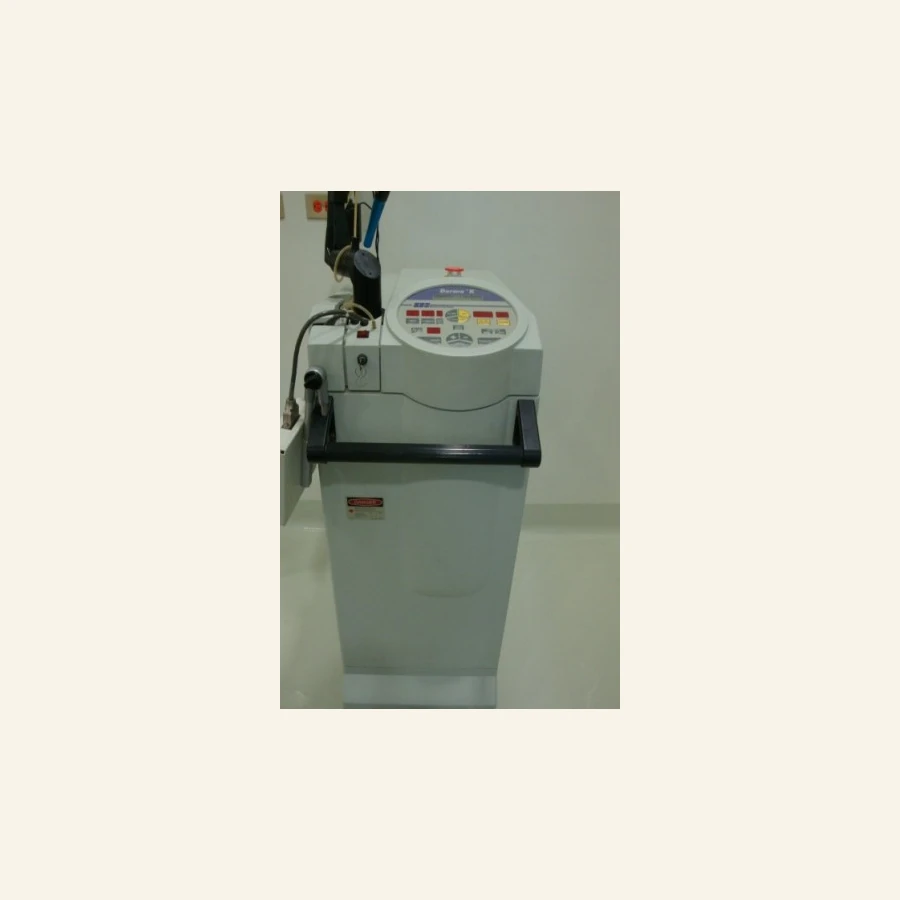
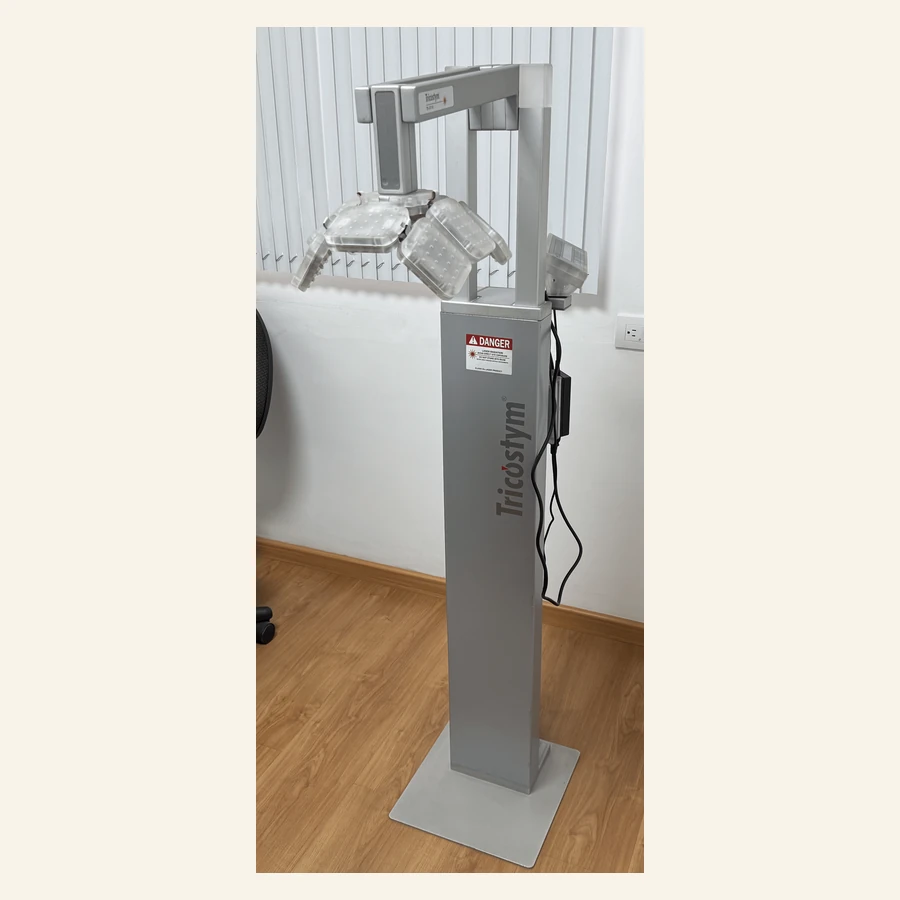
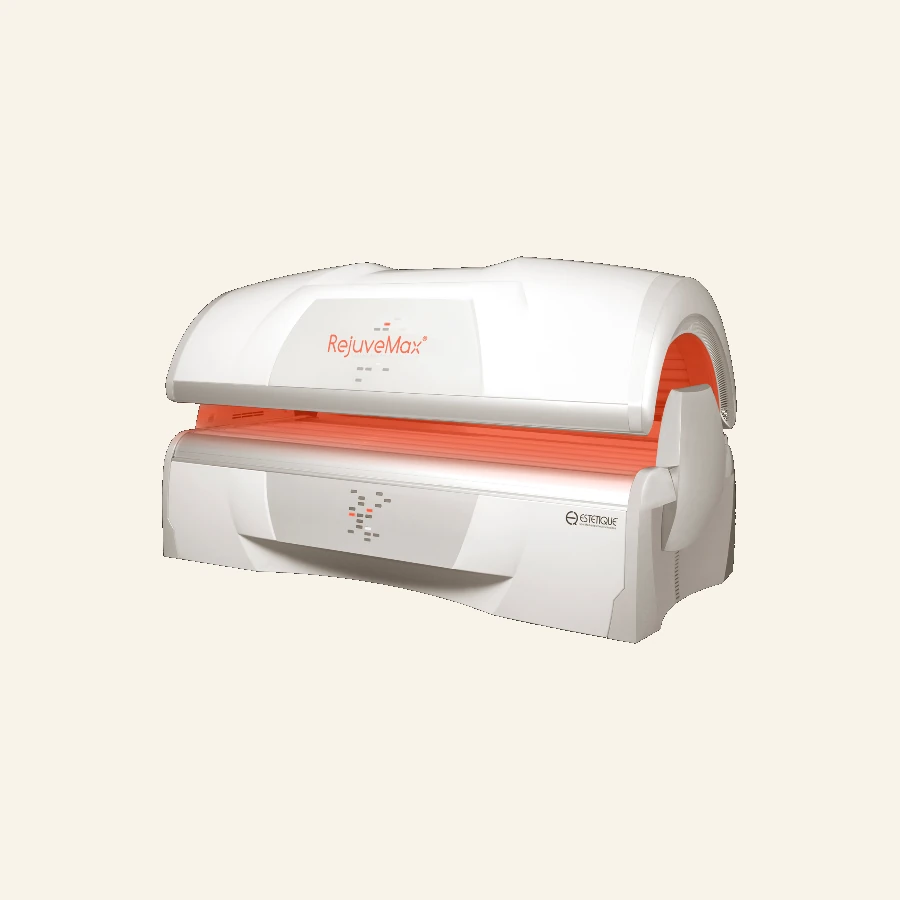
“We have a laser” says nothing: what matters is which one. Every wavelength has its indications, and no single device can cover them all — which is why the clinic’s arsenal spans dozens of platforms, and why the full list is published on this page, each with its manufacturer, country of origin and what it does. If a treatment you were offered elsewhere names a device, you can look it up here and see what it is genuinely for.
That transparency has a practical consequence: when the right machine for your case is not on this list, you are told so — instead of your case being adapted to the machine available.
Laser on darker skin
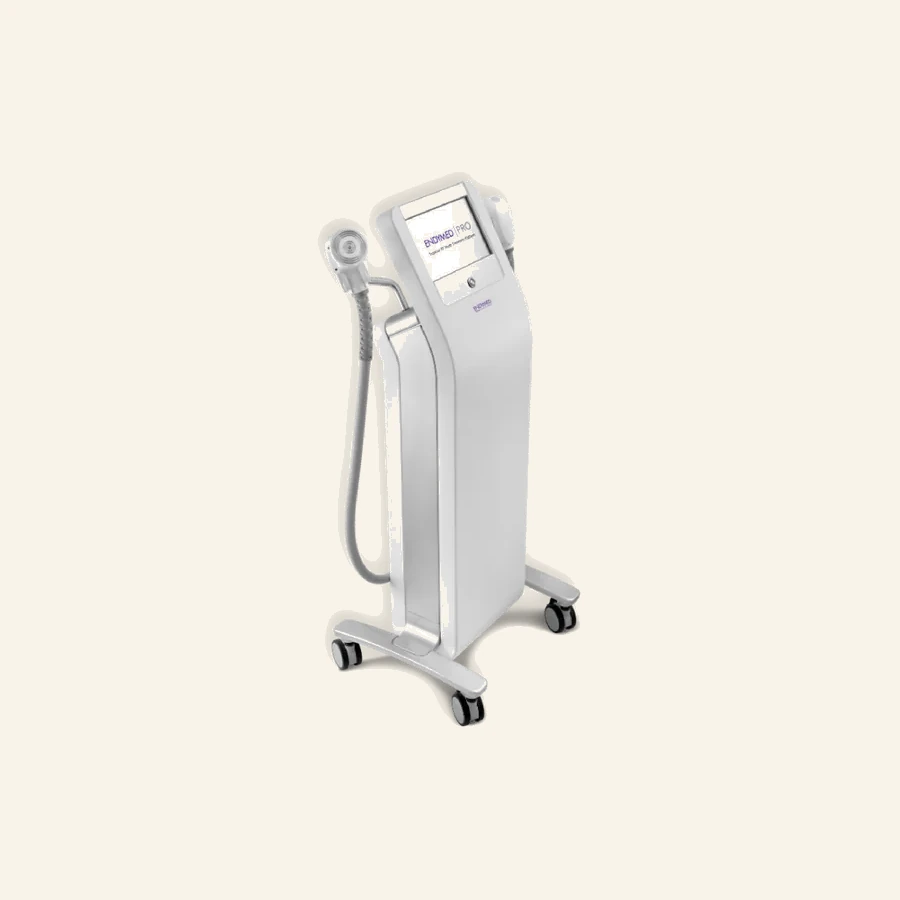
Most patients at this clinic have Fitzpatrick skin types III to V, and that is the first technical question of any light-based treatment: a device that cannot tell its target from the skin’s own pigment can stain instead of improve. That is why the arsenal includes technologies that work independently of melanin — EndyMed 3DEEP radiofrequency, ultrasound, magnetic stimulation — and wavelengths safe on darker skin, and why parameters are adjusted by skin type, with a test patch when the indication calls for one.
How much does laser treatment cost?
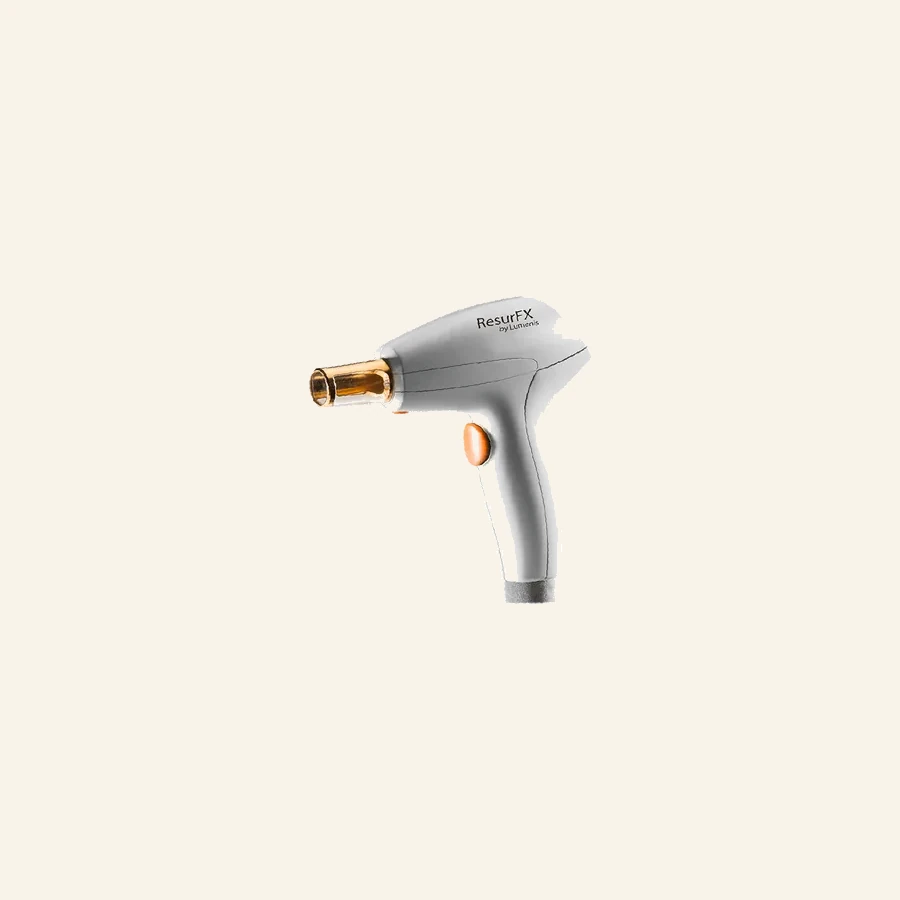
It depends on the family. As an approximate reference: laser hair removal is priced by zone, from $3,000 MXN for the 6-session package of the smallest zone — the price list publishes the full per-zone table. The Fotona intimate laser costs $8,000 MXN per session or $24,000 MXN for a five-session package, the same across its nine indications. The stretch-mark and scar laser (ResurFX) starts at $8,000 MXN per session, and facial CO₂ resurfacing at $25,000 MXN.
None of these figures is a quote: every laser indication requires a prior assessment ($800 MXN, billed separately), where the device, the number of sessions and the definitive cost are set in writing.